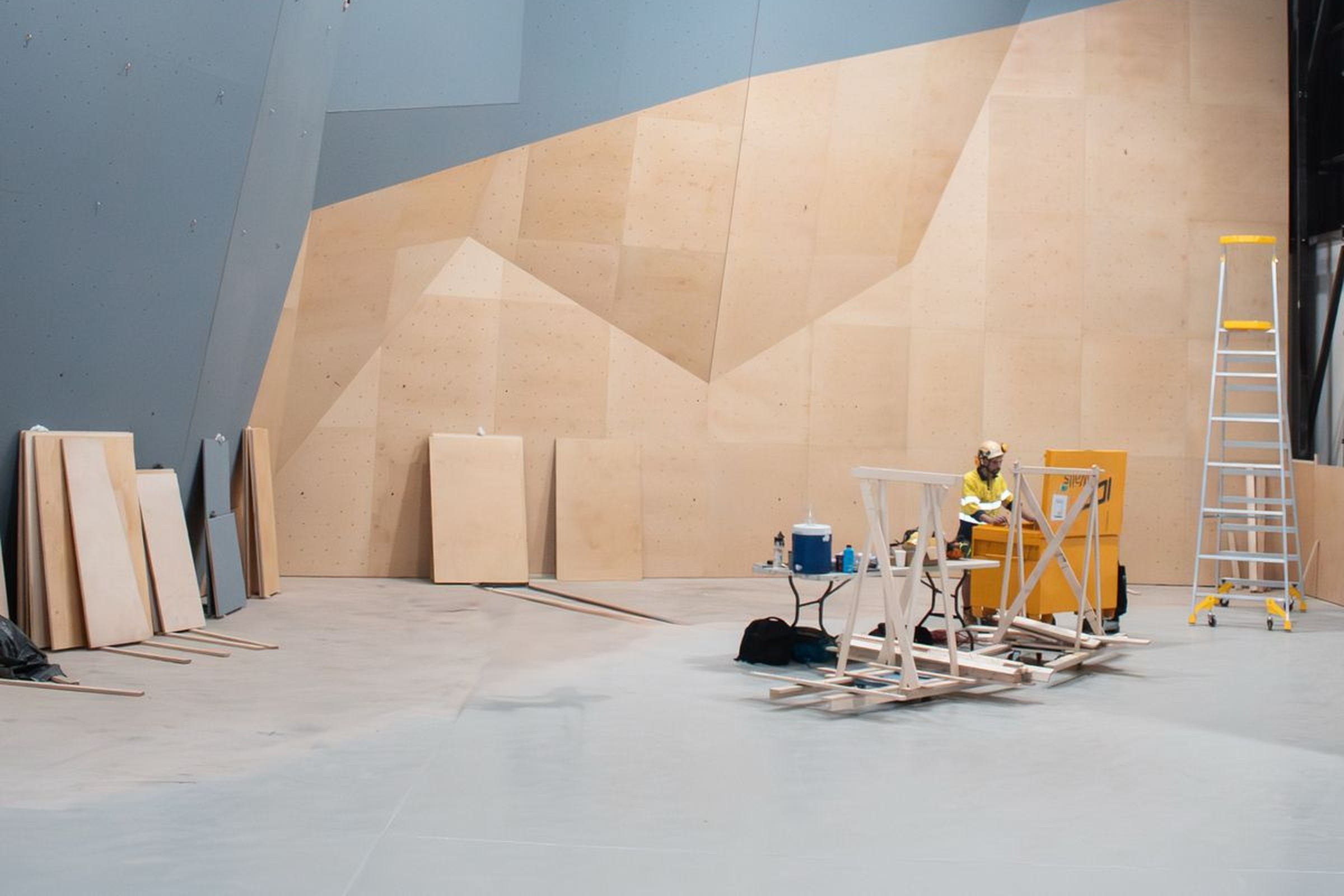
You’ve had the idea in your head for months, maybe years. Your own climbing gym. Your own community. A space that reflects your vision of what a climbing gym can feel like. It’s exciting… and completely overwhelming. Where do you even begin? What do you need to know? Who do you trust?
The climbing industry looks simple from the outside: walls, a café, some psyched people, but once you step behind the curtain, the decisions stack up fast: design, real estate, budgeting, timelines, marketing, routesetting. The builder you choose won’t just construct walls; they will shape the backbone of your business for the next 10 to 20 years. That’s why asking the right questions early isn’t just helpful, it’s critical.
First contact with a climbing wall builder often happens earlier than you expect. This may be before a building is secured or while feasibility is still being tested, or both. At this stage, discussions are usually abstract: you’re planning a climbing gym and high-level ideas, budgets, and timelines are shared before any variables are fixed.
The way design, pricing, and scope are discussed at this point influences the climbing gym and also the project’s confidence as it progresses. Questions such as“When should the design phase begin?” or “What is the realistic timeframe to secure a suitable building?” Can reduce risk, time and capital and help build your process.
It can be difficult for prospective gym owners to gain clarity, particularly around what decisions are essential and how different elements of a climbing environment interact. With a clear-cut framework and stability in variables such as real estate/leasing, early pricing can be easier to interpret. These discussions can also present opportunities that shape more resilient outcomes.
ICP’s clients tend to mitigate these challenges by approaching the relationship collaboratively. From the first conversation, projects are framed as shared problem-solving exercises, aligning priorities and long-term outcomes before numbers are locked in.
Early Design is Foundational to the Best Climbing Gyms
Initial enquiries to build climbing walls typically begin with requests for pricing, timelines, and examples of previous work. Cost per square metre or square foot becomes the anchor for discussion, with design and the finer details assumed to follow later.
This approach encourages comparisons rather than understanding. Quotes may be weighed against one another before scope and assumptions are fully defined. While this can appear efficient, it can obscure meaningful differences in what is being proposed. Deferring design decisions risks having to retrofit later, but ;earning how operational needs can evolve and incorporating that in your planning prevents shifting costs to late-stage corrections.
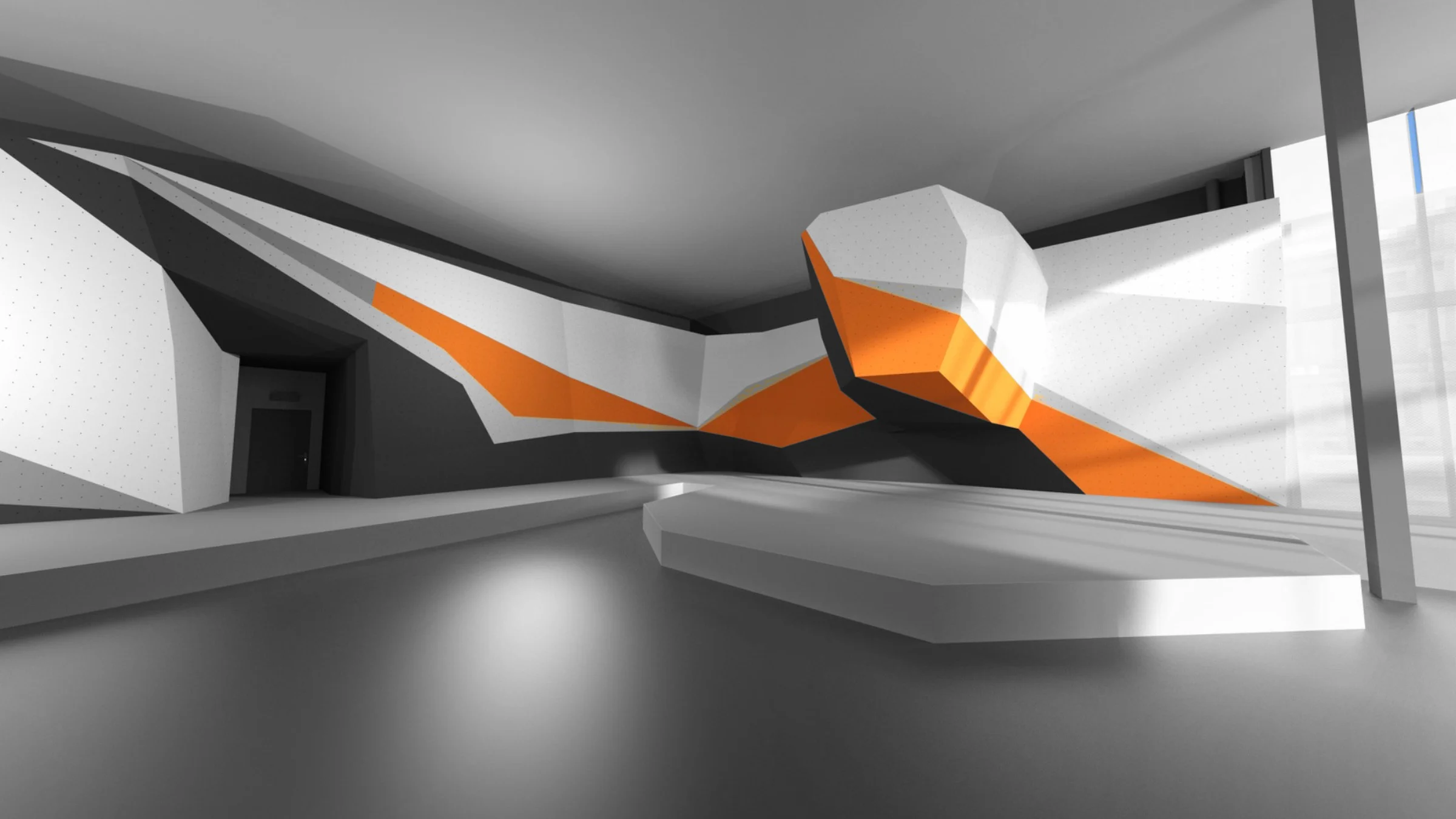
Collaboration Beyond Quoting
From ICP’s experience, successful projects tend to share a common trait: collaboration. Truly working together at the start includes repeated design reviews, site walkthroughs, and feasibility testing across multiple locations. Our relationship doesn’t end at opening. We continue supporting your route setting, maintenance strategy, and regular compliance requirements. Looking even further into the future are possible climbing gym expansions or wall modifications, which are often a part of long-term relationships.
To support this relationship from the beginning, . We will ask many questions, not just about your vision, but about what is possible and reasonable to expect. We get asked many different questions during the process, but which questions are the most useful?
“Can you give location or financial advice?” While financial advice and lender engagement are not typically the responsibility of a wall manufacturer, design-led collaboration can provide reference points that support approvals and feasibility assessments. Other matters, like real estate zoning or compatibility, are generally important, and we push for these discussions early, as they present necessities and can easily blindside without timely consideration.
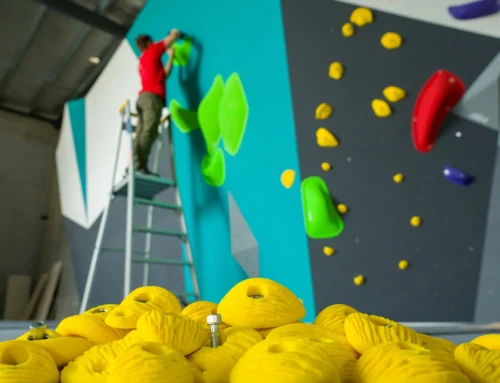
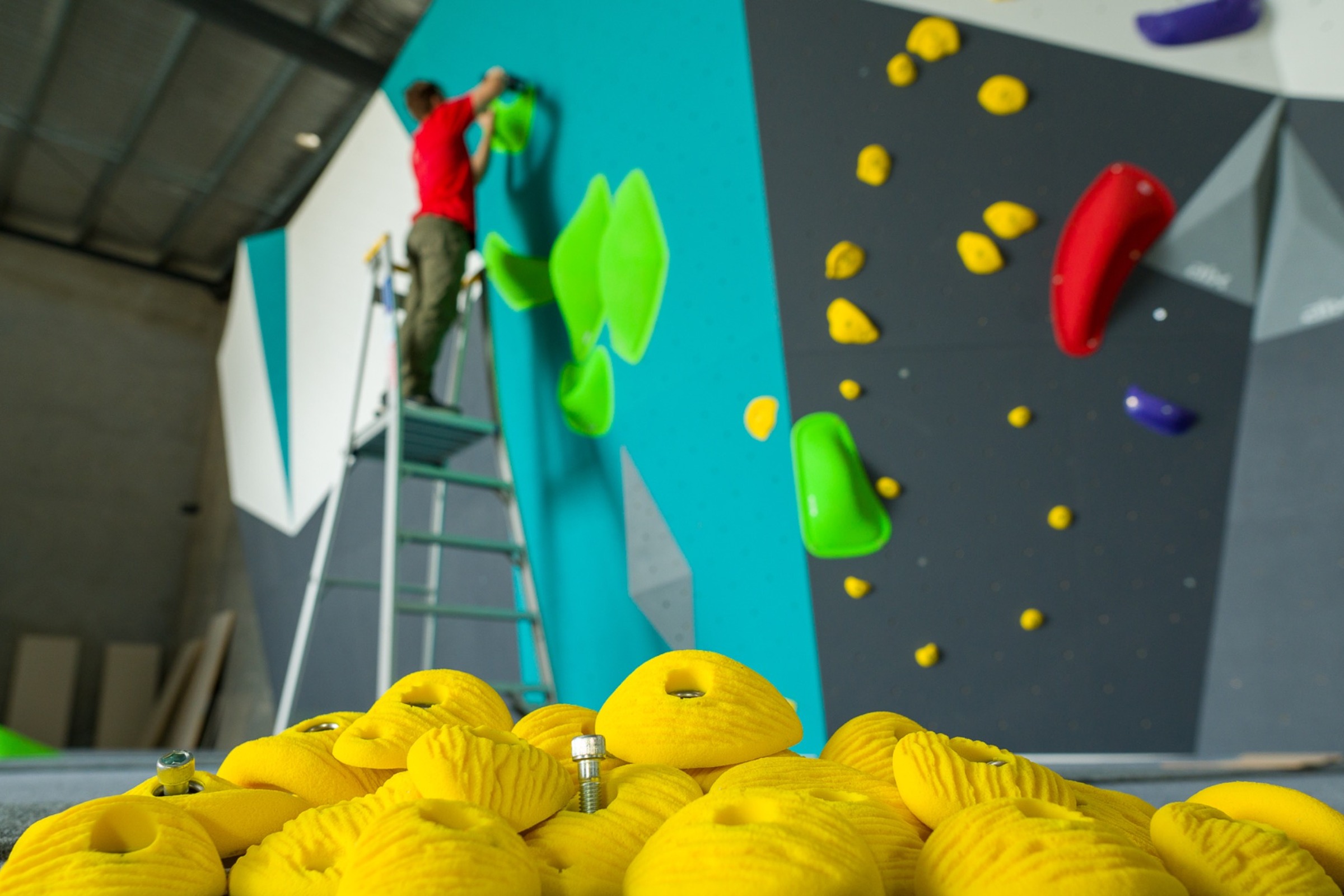
“What’s not included in this quote that I need to know about?” What’s left to tackle after that can still unexpectedly blow out without a proper approach. Some important examples include understanding free-standing walls vs structure-supported, extra expenses like construction rubbish removal and plant hire, and the cost of holds (which can vary greatly depending on where you are in the world).
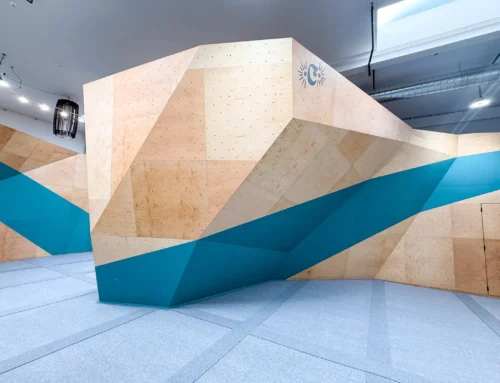
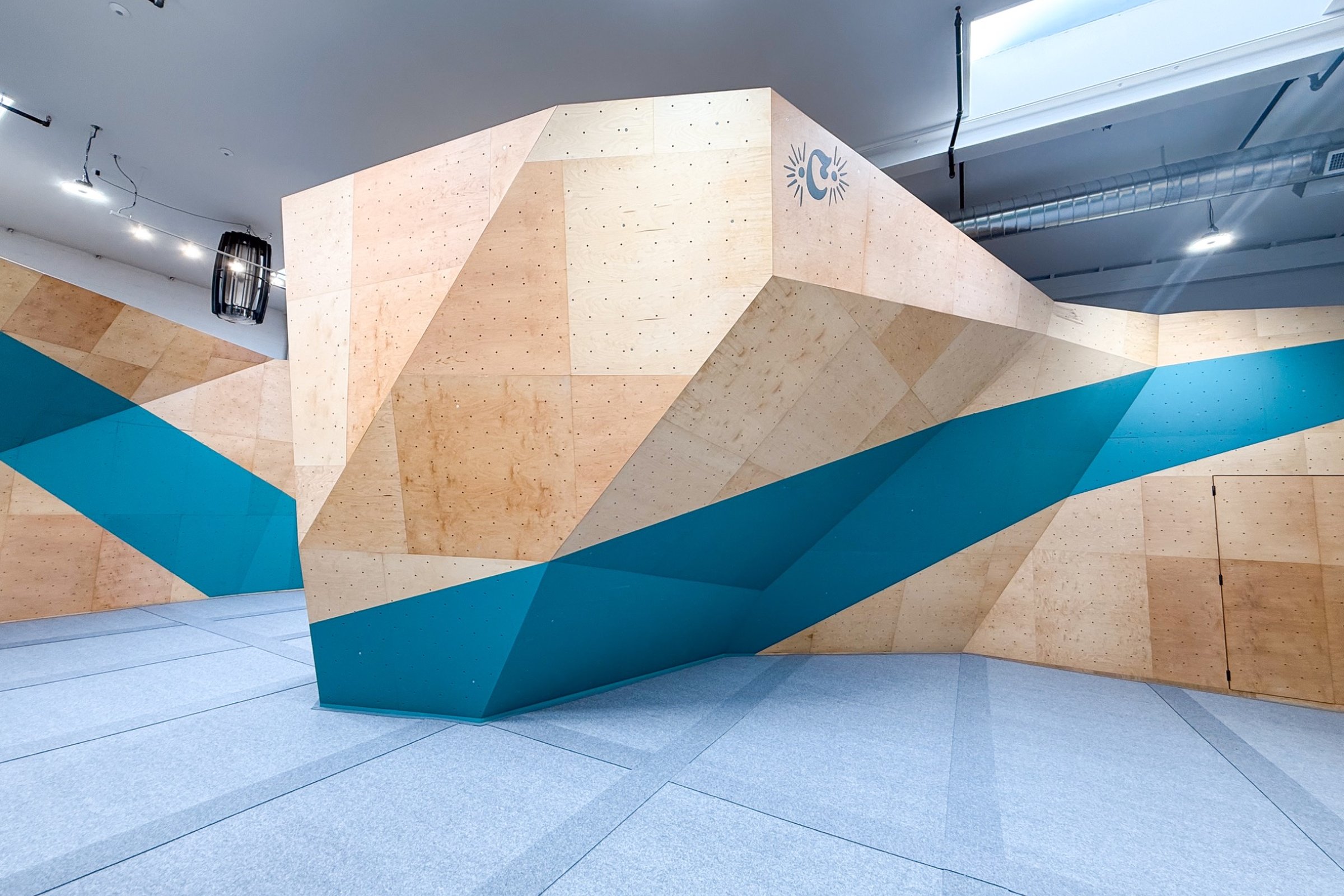
“How do wall design choices influence operations?” Wall angles and features affect routesetting, hold wear, fall dynamics, and reset cycles. Paintwork and wood-look detailing contribute not only to aesthetics, but to climb readability and how the climbing environment ages and feels over time.
“How do your offerings work together?” Integrating walls, matting, and volumes is the standard “turn-key” package designed for operational flow. Going even further with reception fit-outs, furniture, mezzanines, storage solutions, or setter storage, gives your space adaptability and your operations more efficiency. ICP offers all of these elements as integrated components with the walls and climbing environment.
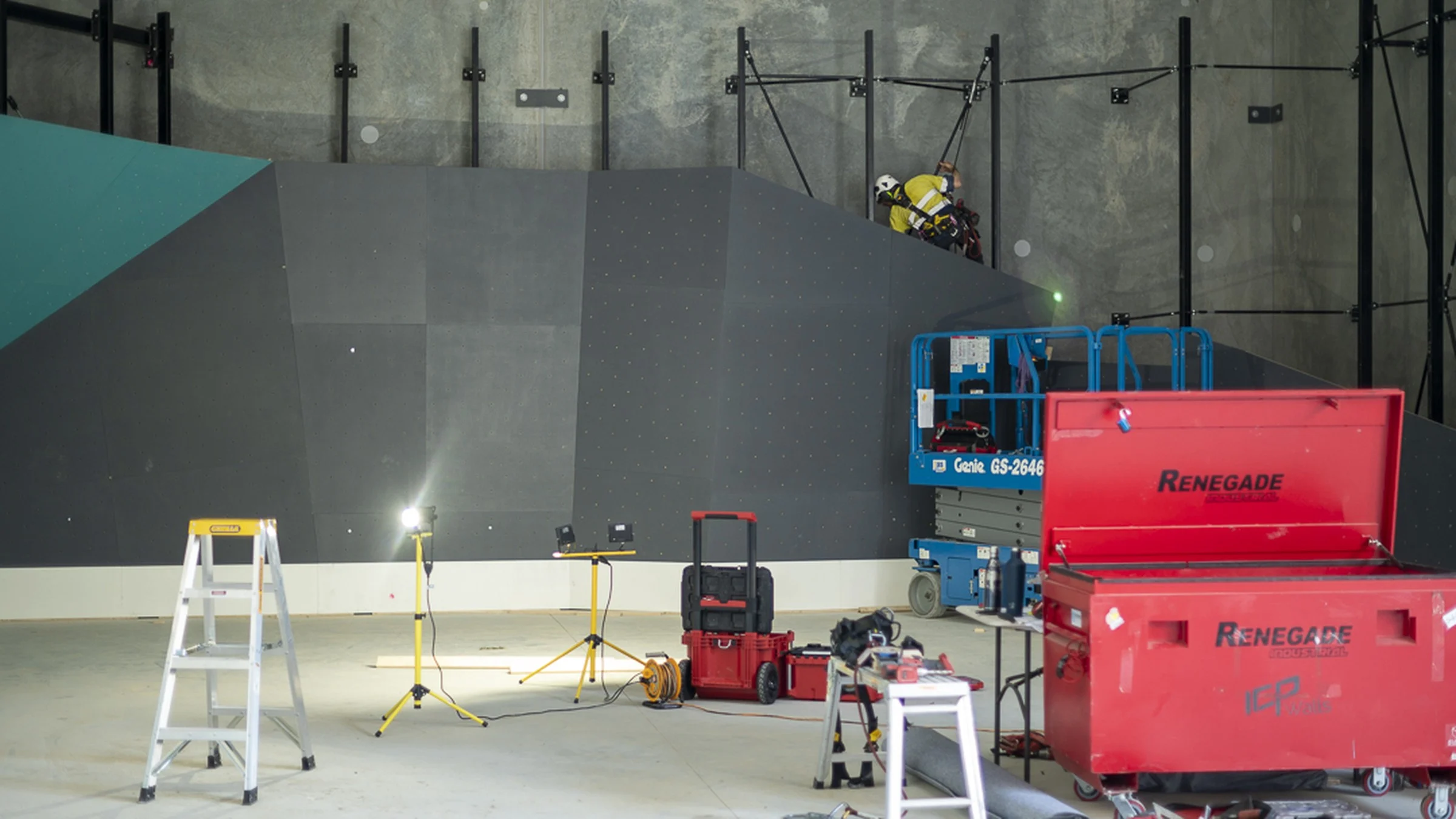
“What can cause delays in timelines?” Timing is everything, and bringing all the pieces of a climbing gym together is not without risk. Once you have secured a building, having it work for you as soon as possible is critical to your bottom line. Council development approvals are important, and laws and processes differ by country and state. Freight of materials and holds are two separate undertakings, particularly in Australia, where no major factories exist. If you can check off all of these within the optimal window, you’ll position your project on its front foot.
Understanding The Opportunity in Design
The most useful questions to ask a climbing gym builder are not about products, but about how decisions interact over time. This lens clarifies what is best decided early, what can remain flexible, and how design supports both creative routesetting and day-to-day operations. ICP encourages collaboration in sharing information openly, testing assumptions together, and designing with long-term use in mind.
Asking how a climbing business evolves, how spaces function at capacity or how routesetters think are all directions we take on day one of discussions. We don’t wait until leases are negotiated or business plans are finalised. The creative direction of the walls is central to any serious climbing business.
Early conversations around a shared understanding is what will allow your facility to open smoothly, adapt confidently, and continue performing competitively long after the day you open.