Integrating Design, Identity and Routesetting from Day One
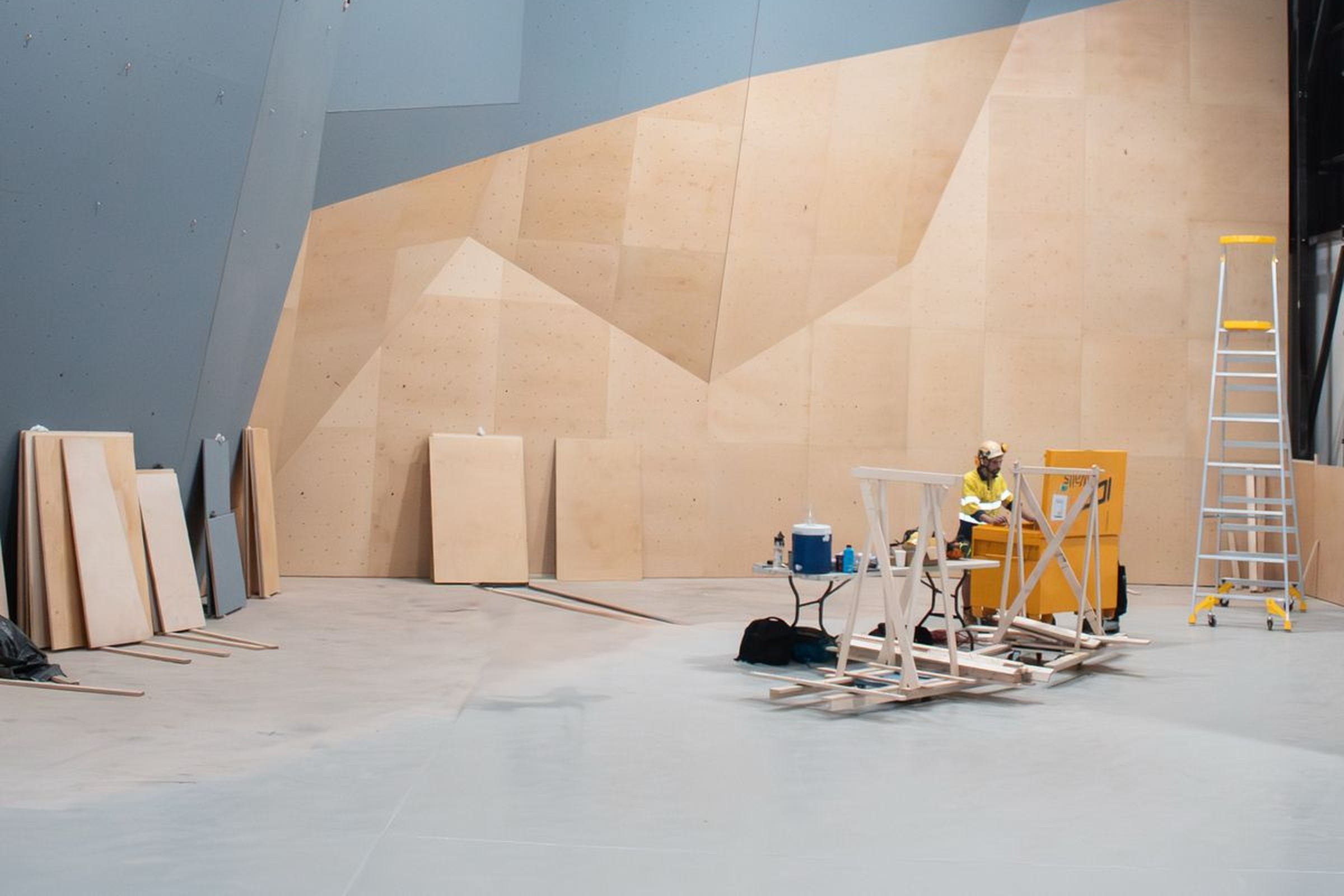
Before a new climbing gym opens its doors, the walls are more than just panels. They represent possibility. Few people will ever see a climbing wall without holds or pristine panels before a single screw hole marks the surface. It is pure potential, the blankest canvas the facility will ever have. This is where the opening set begins.
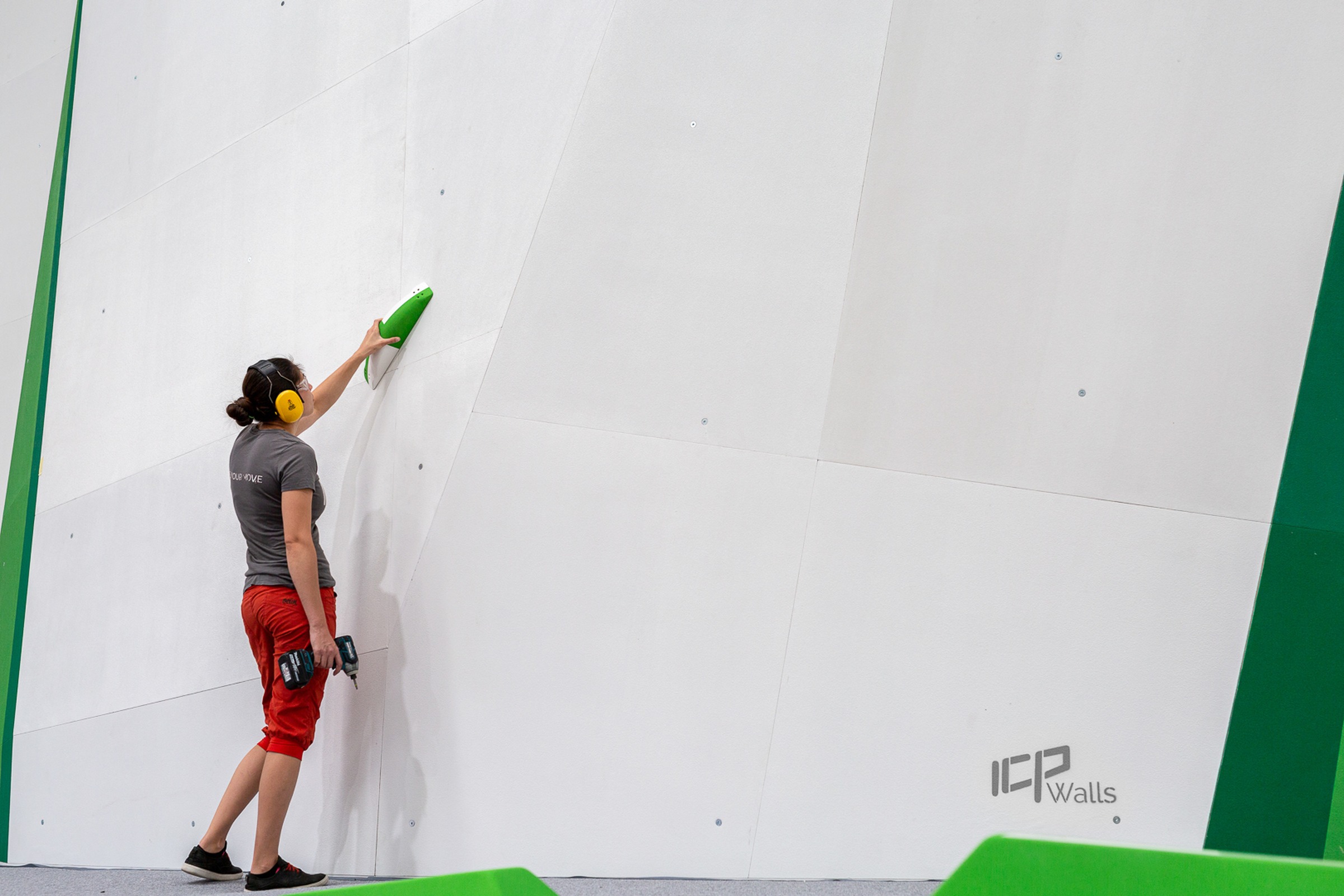
The opening set is often the most comprehensive routesetting phase a climbing wall will see. It introduces your climbing environment to the community for the first time. It does not determine long-term success on its own, but it establishes the foundation for your routesetting culture, grading standards, and member expectations to evolve. For new gym owners, that distinction matters. Opening sets for new climbing gyms are not just logistical exercises. They must take a strategic design direction that shapes culture, grading, and long-term operations.
In ICP’s experience working with new facilities across Australia and around the world, the approach to routesetting strongly influences how smoothly a gym transitions from launch excitement to sustainable operation. The goal is not perfection, but to build a strong, adaptable starting point.
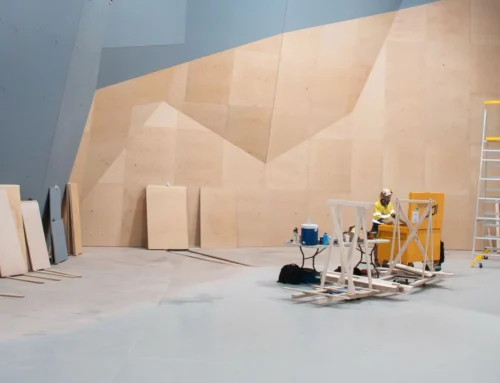
Routesetting Begins During Design, Not the Week Before Opening
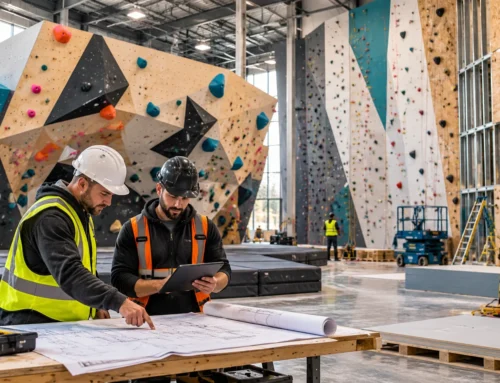
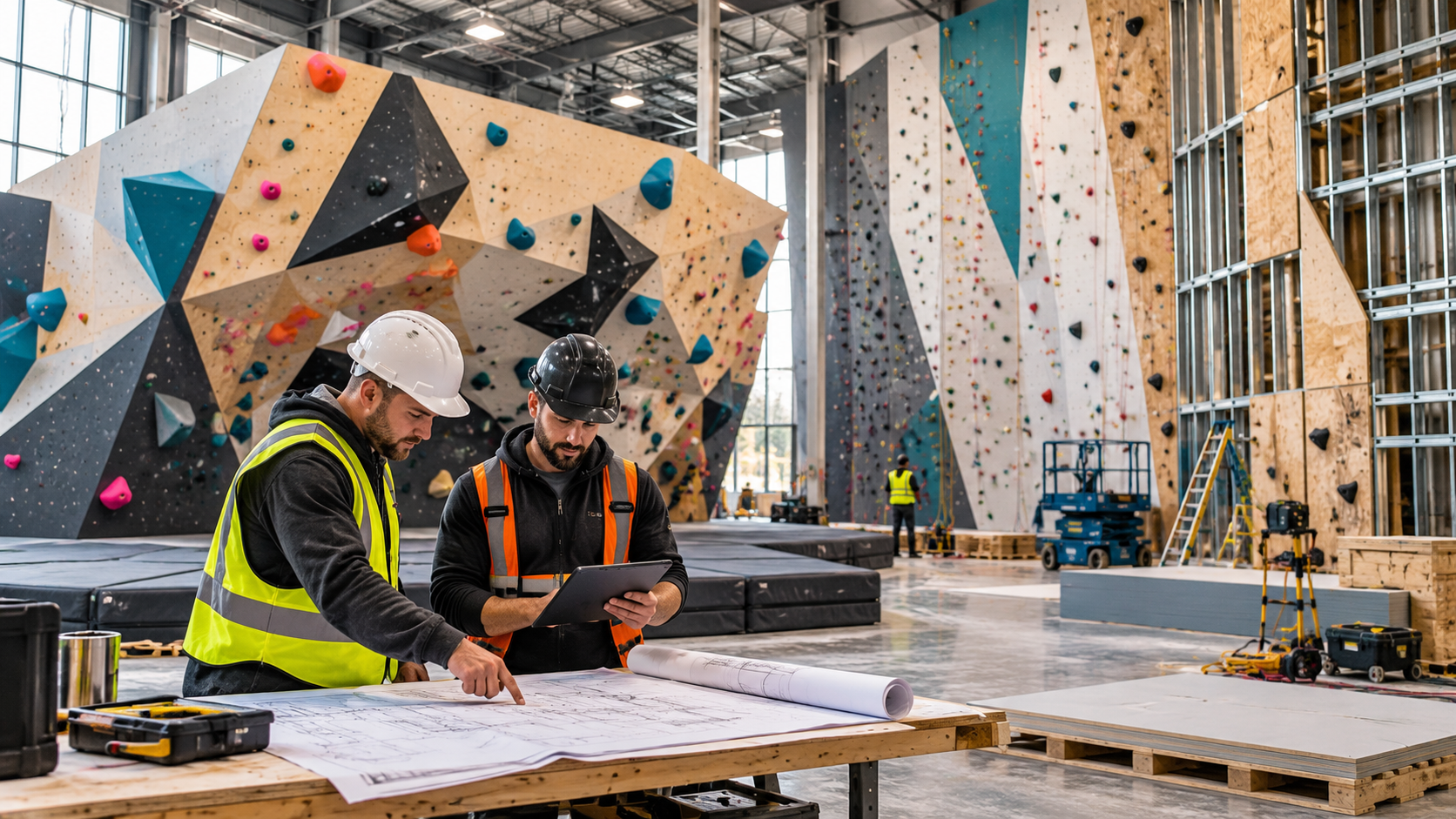
One of the most common misconceptions is that routesetting doesn’t begin until construction is complete. In reality, it begins during wall design and build sequencing. In a commercial climbing gym, we have found that climbing wall design and routesetting strategy should work together.
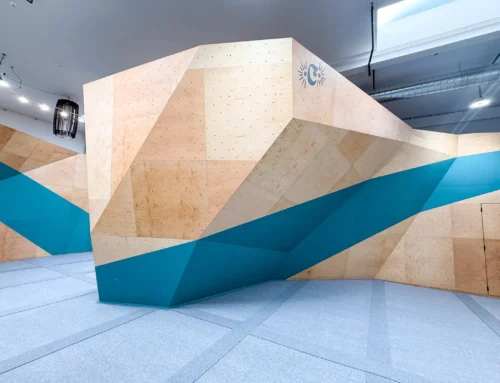
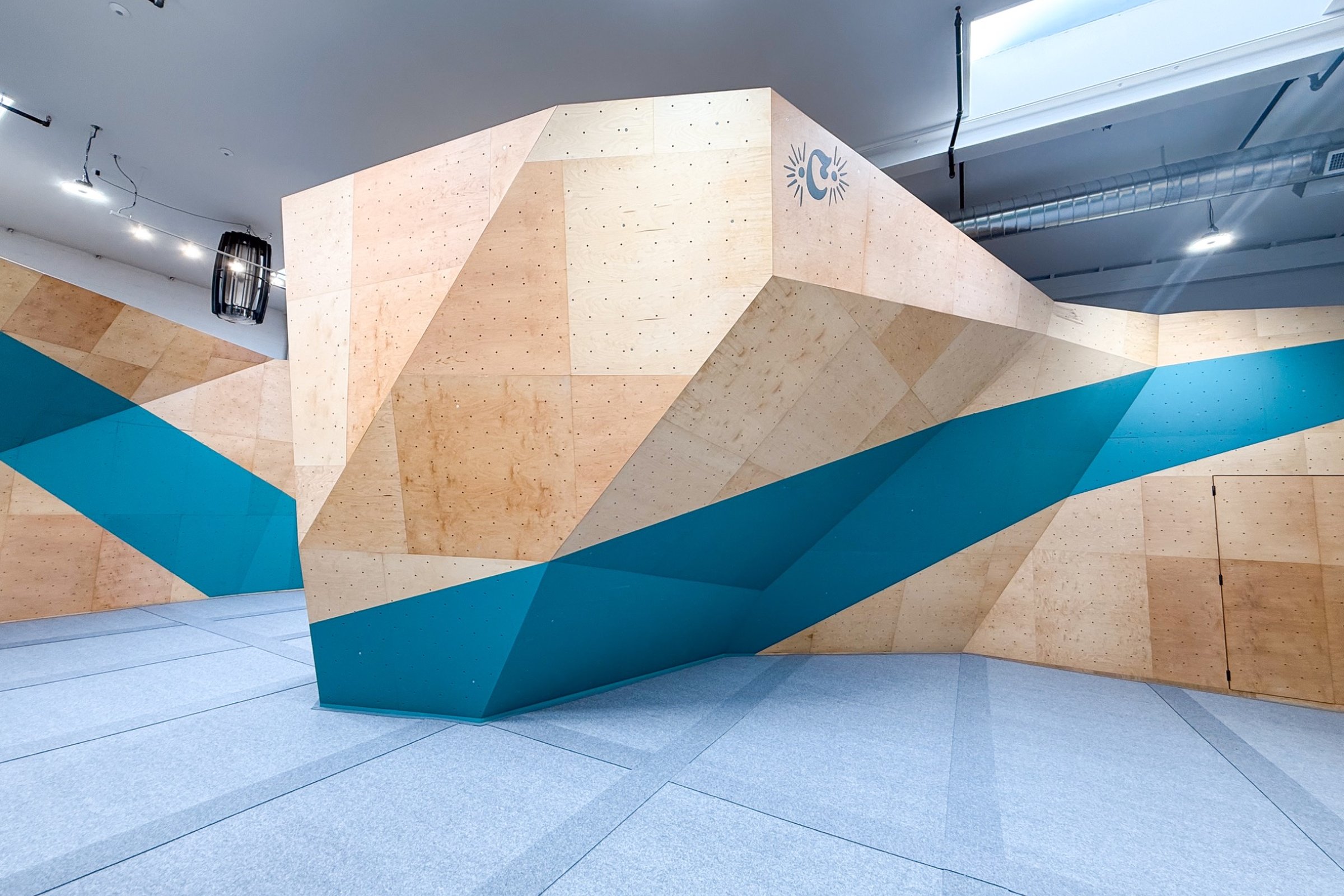
These structural decisions also influence and support fall behaviour, landing predictability, and long-term surface wear, all of which affect both safety and operational sustainability. Wall angles, transitions, layouts, and the potential for integrated volumes determine what movement is possible long before the first hold goes on. When these elements are developed without routesetting in mind, limitations are embedded into the structure itself. Routesetting cannot be considered in isolation from wall geometry, construction sequencing, or long-term operational planning.
At first, the pattern may seem straightforward: holds arrive, grade distributions are estimated, and walls are populated.
But a meaningful opening set is not simply about effective distribution and visual impact. It requires predicting how climbers will interact with the wall design, how traffic will flow across zones, and how resets will be structured in the months and years ahead.
Experienced setters consistently describe opening sets as substantial undertakings. Often, hundreds of routes and boulders need to be installed, tested, and refined. Grading needs calibration and recalibration. Traffic patterns can be anticipated, and individual climbing experiences can be made to feel cohesive within the broader climbing environment.
When routesetting is integrated into wall design from the earliest stages, the opening set feels intentional. Geometry supports intuitive decisions among both setters and climbers. Instead of compensating for structural constraints, setters are working within a framework designed for professional creativity.
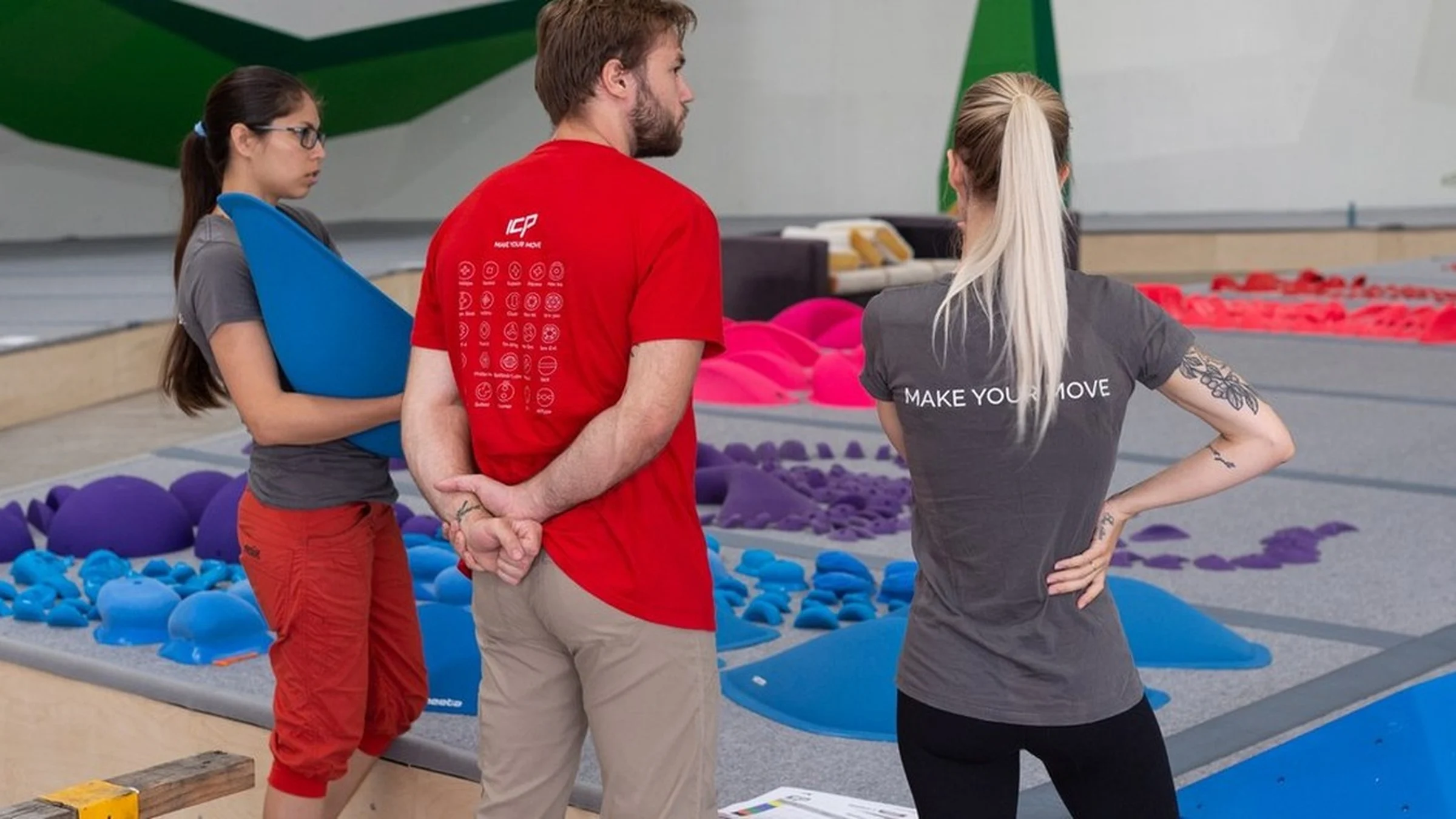
Aligning Identity and Community
Your first climbs teach your community what to expect.
A training-focused gym, a competition-driven facility, and a family-oriented venue will obviously approach their sets differently. But when movement styles and craftsmanship become a local brand expression. The climbs help create that identity.
For a full-sized commercial facility in a major city, a well-executed opening set requires concentrated, calibrated work. Any increase in quality will be found when teams are diverse in experience and have time for internal testing and feedback. Before launch, setters agree on the target demographic, how grades should feel, movement styles and themes, and where to leave space for future progression.
Defining the target climber base before grades are assigned can focus your offering and simplify your process to create it. Opening week typically attracts a wide range of climbers: first-timers, recreational community members, and experienced locals. We have seen from the history of indoor climbing that most will not become advanced climbers. Retention is built in the lower and middle grades, which feed the pipeline towards advanced climbing.
A balanced grade distribution creates visible and felt progression pathways, reduces intimidation and supports coaching programs and social climbing. It builds trust in the standard of offering. Hard climbs can signal credibility within a niche group, but a reliable membership is slower to form at the top of the grade scale. Early grade distribution decisions set the initial tone, but they must remain adaptable as the community develops.
The reset strategy is part of this alignment. The opening set is the first iteration of an evolving system. Planning for resets and rotations happens during design, not just after launch in reaction to early feedback. Reset cadence influences staffing, budget allocation, grade consistency, and member retention. While aligning with operational capacity and long-term programming goals.
How the gym is introduced to the market also matters. A controlled preview period or soft opening can provide valuable insight into traffic flow, your team’s perception of grades and local climber capabilities as well as unintended interactions between climbs. Observation during this phase allows refinement without affecting the broader launch.
After opening, real usage patterns reveal more than internal testing ever can. Certain climbing experiences see disproportionate demand. Some wall sections capitalise quickly, while others remain under-utilised. When stability is the objective, strong operators adjust course based on observed patterns rather than isolated feedback.
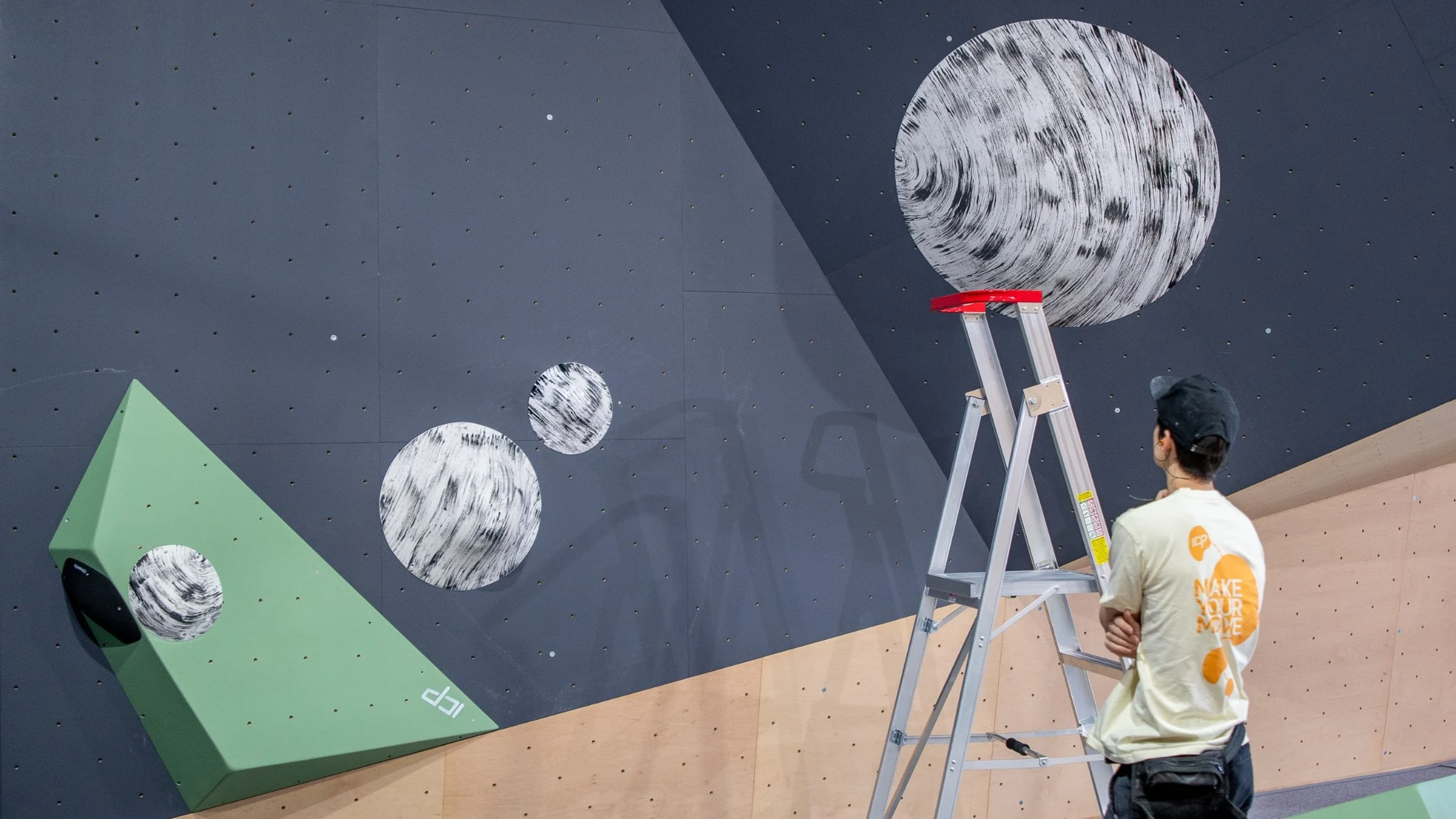
To increase clarity and reduce reactive pressure, a reset strategy should be structured before launch, even if the exact cycle is expected to evolve once real usage patterns emerge. In some facilities, interim fillers or light adjustments maintain freshness before a major rotation. In others, community size, traffic density, and satisfaction levels determine how quickly the first full reset is introduced.
Strong operators do not chase every comment. They evaluate patterns, adjust deliberately, and evolve with intent.
Designing for Evolution
At ICP, routesetting is treated as part of the climbing system, not a standalone activity. The opening set is not simply the first installation; it becomes the foundational reference point for future set days. No matter how satisfied a team is with the work done for opening, it is the benchmark for refinement.
Routesetting is more than holds and volumes. It highlights wall geometry and long-term programming cycles. The objective is to create a framework that supports the business, climbers and setters over time. It must allow progression across ability levels while giving the setting team room to evolve technically and creatively.
For operators navigating this process for the first time, early alignment between climbing wall design, routesetting strategy, and operational planning is often the difference between a strong launch and a reactive one.
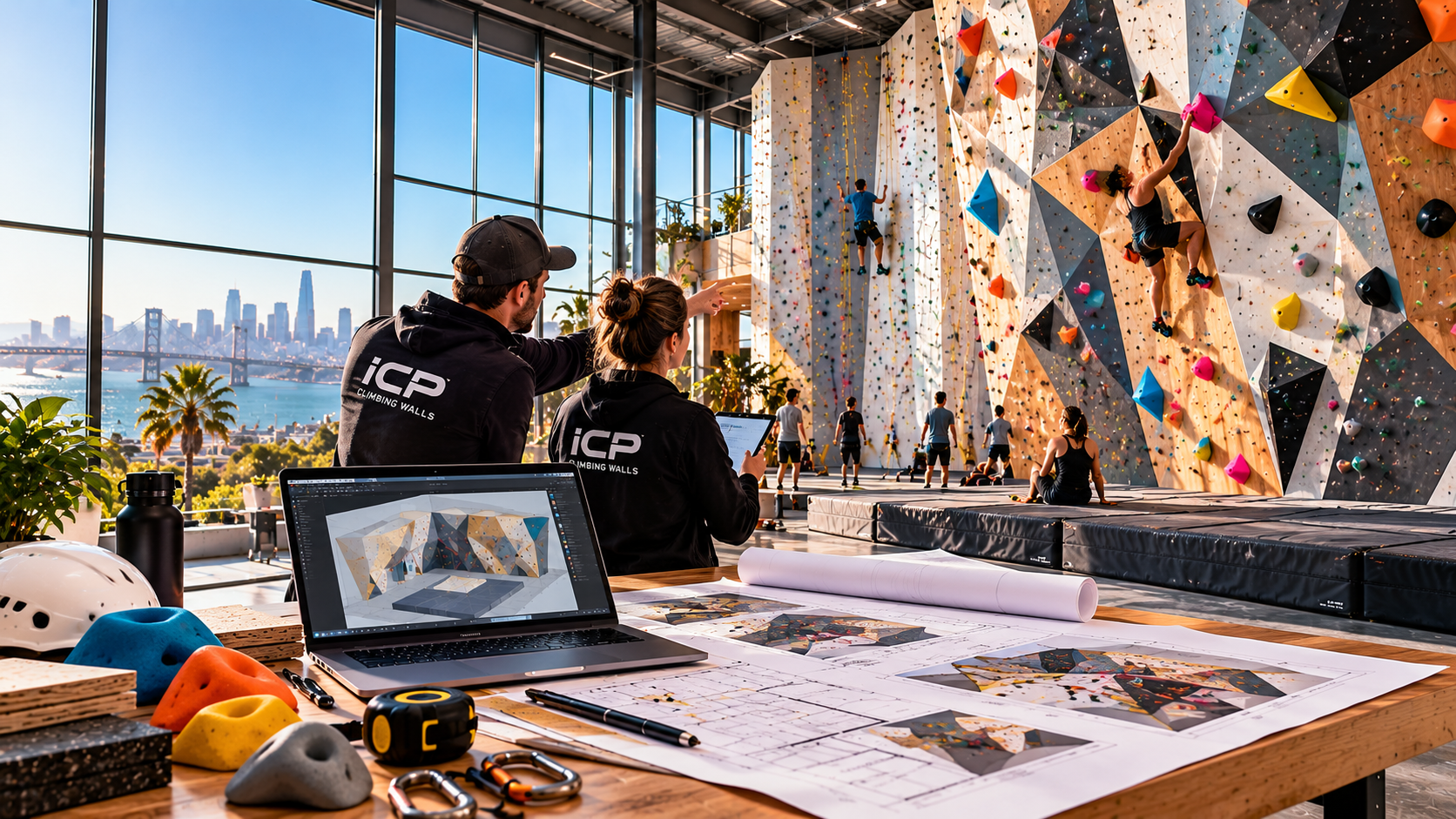
Our designers work in constant dialogue with our routesetters, drawing on real experience to inform how walls are shaped. Geometry is never developed in isolation. It is refined through testing and practical feedback. The opening set is the first deliberate expression of the system your facility will rely on for years to come.