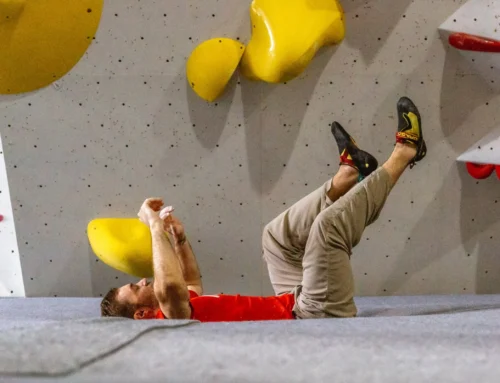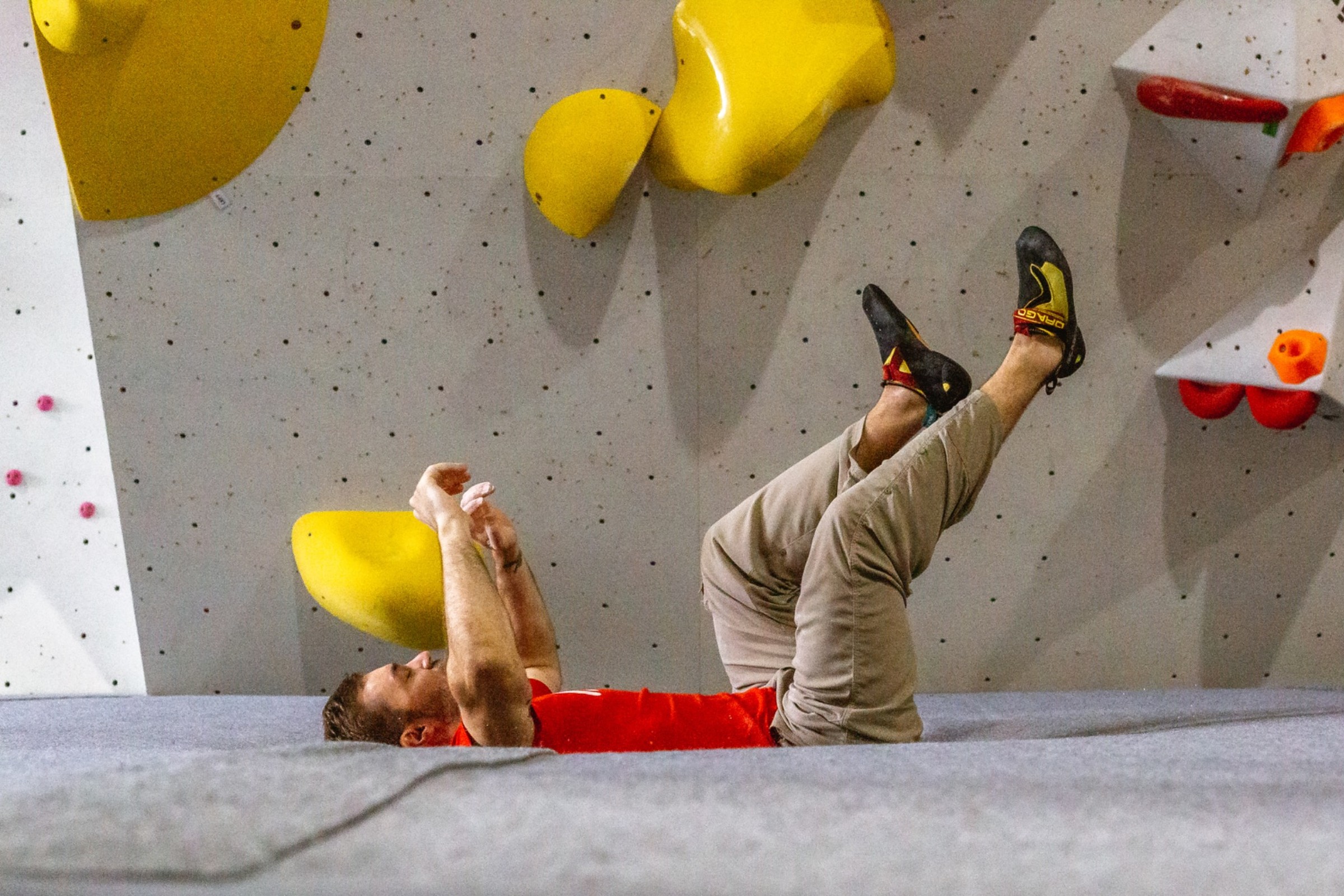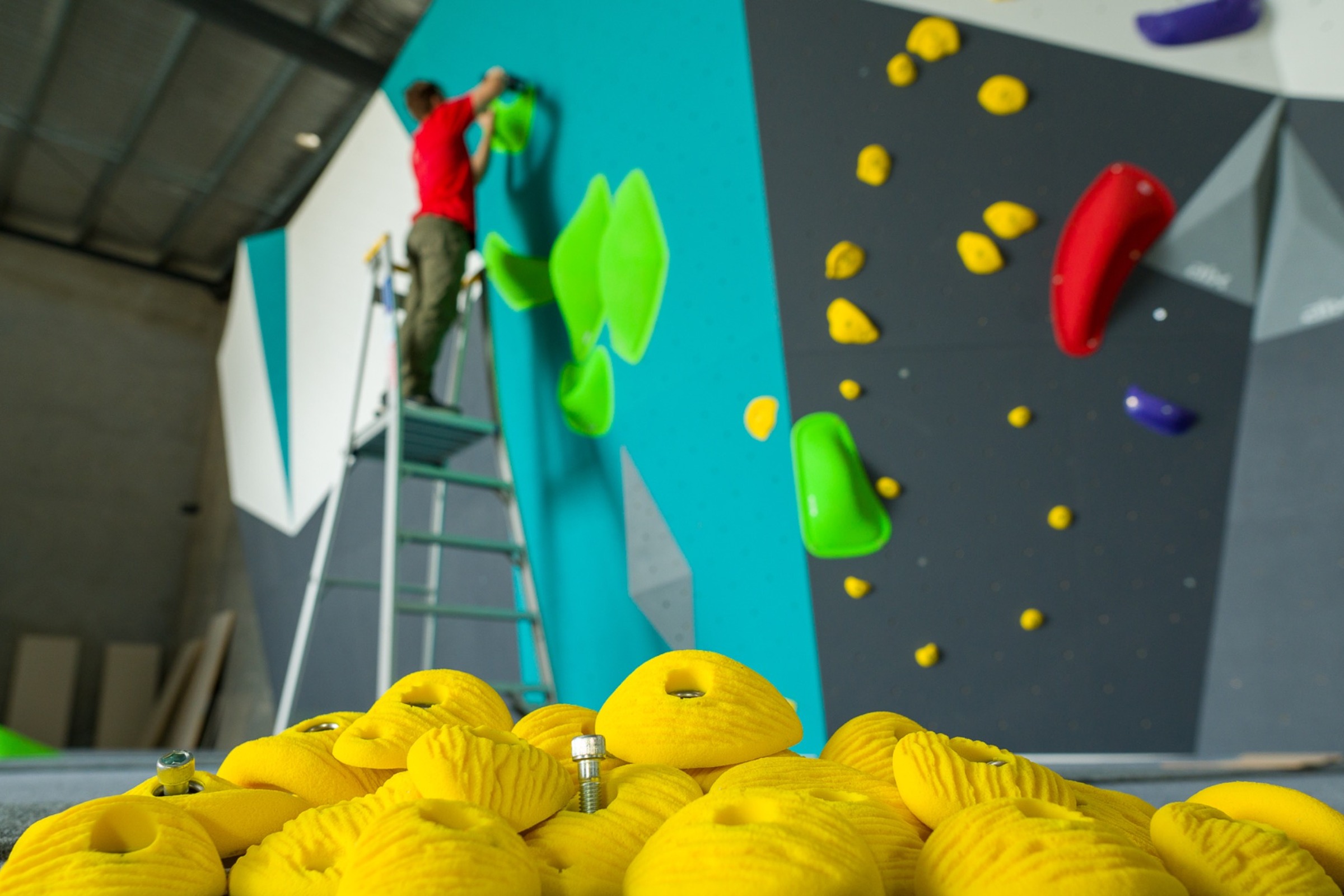
Our most important connection to the wall is through the climbing holds. When we fight to hang on until we might dry-fire off, we feel every minute bump and groove under our finger tips in order to not fall. When I first began climbing in the early 2010s, large fibreglass shaped holds were becoming popular and timber holds hadn’t caught back on yet since the pre-polyester, pre-1980s indoor climbing era. Today some brands showcase wooden holds, but most rely on proprietary plastics.
Climbing holds and volumes directly impact a climber’s experience, a setter’s creativity and the aesthetic of the space. Choosing the right elements to perform in unison with wall geometry and programming intent requires a deep dive into routesetting and general operations, and doing so during the design of your wall is key in leveraging each part of the whole.
“More variety” is often automatically considered as the main prerequisite to better climbing, but most gyms quickly learn that selection quality matters more than catalogue breadth. The span of any product line has no bearing on how those products interact once installed. In many facilities, a relatively small group of versatile holds becomes the backbone of resets because they consistently do the job across grades and wall features. Meanwhile, holds that rely on specific conditions can fall out of favour unless they are managed deliberately.
Having Confidence in Your Climbing Holds
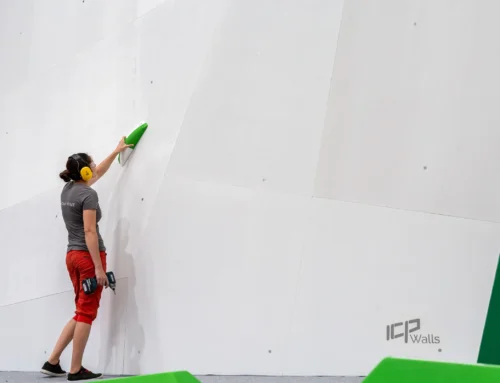
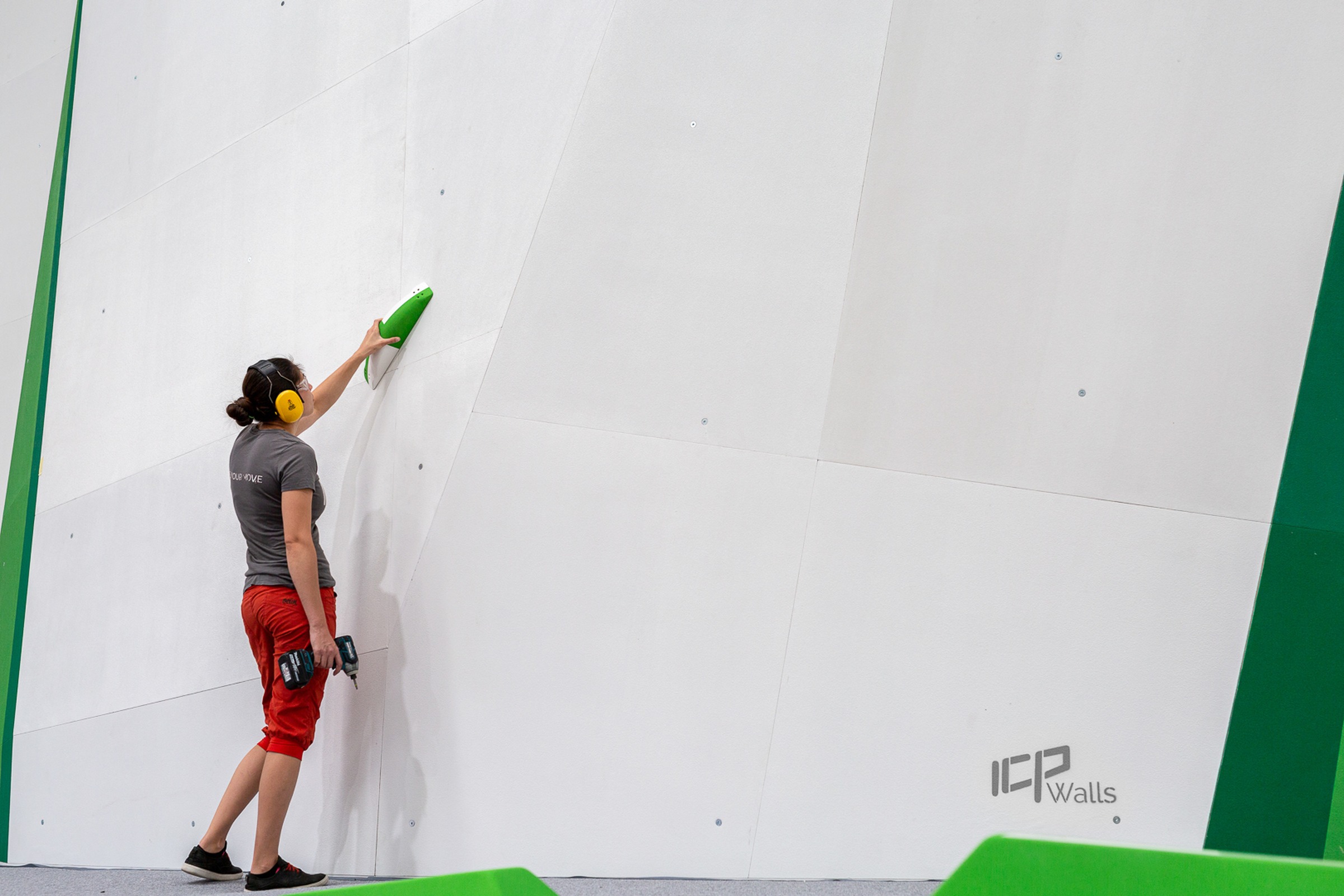
I sat with Bek Parer at ICP to ask about her experience and process when ordering holds for a new facility: “One of the most common challenges for new climbing gyms is developing their purchase list and where to start.”
“Input from individual climbers, setters, or other facilities can be well-intentioned but misleading through contextual differences. A more reliable approach is to develop a facility-specific plan that accounts for opening inventory, reset cycles, and staged growth. Start with the ‘needs’ to function then evolve into the ‘wants’ to boost creativity and performance”
Choosing shapes and sets is often framed by what is trending and what looks novel. Colour choice is commonly driven by what manufactureers offer, with grading systems usually adapted afterwards. When colour and grading are integrated from the outset, however, they have the space to evolve together.
Regional context matters too. For example, South East Queensland (where ICP is based) a specific monochromatic grading system has dominated and proven effective in many competing bouldering venues.
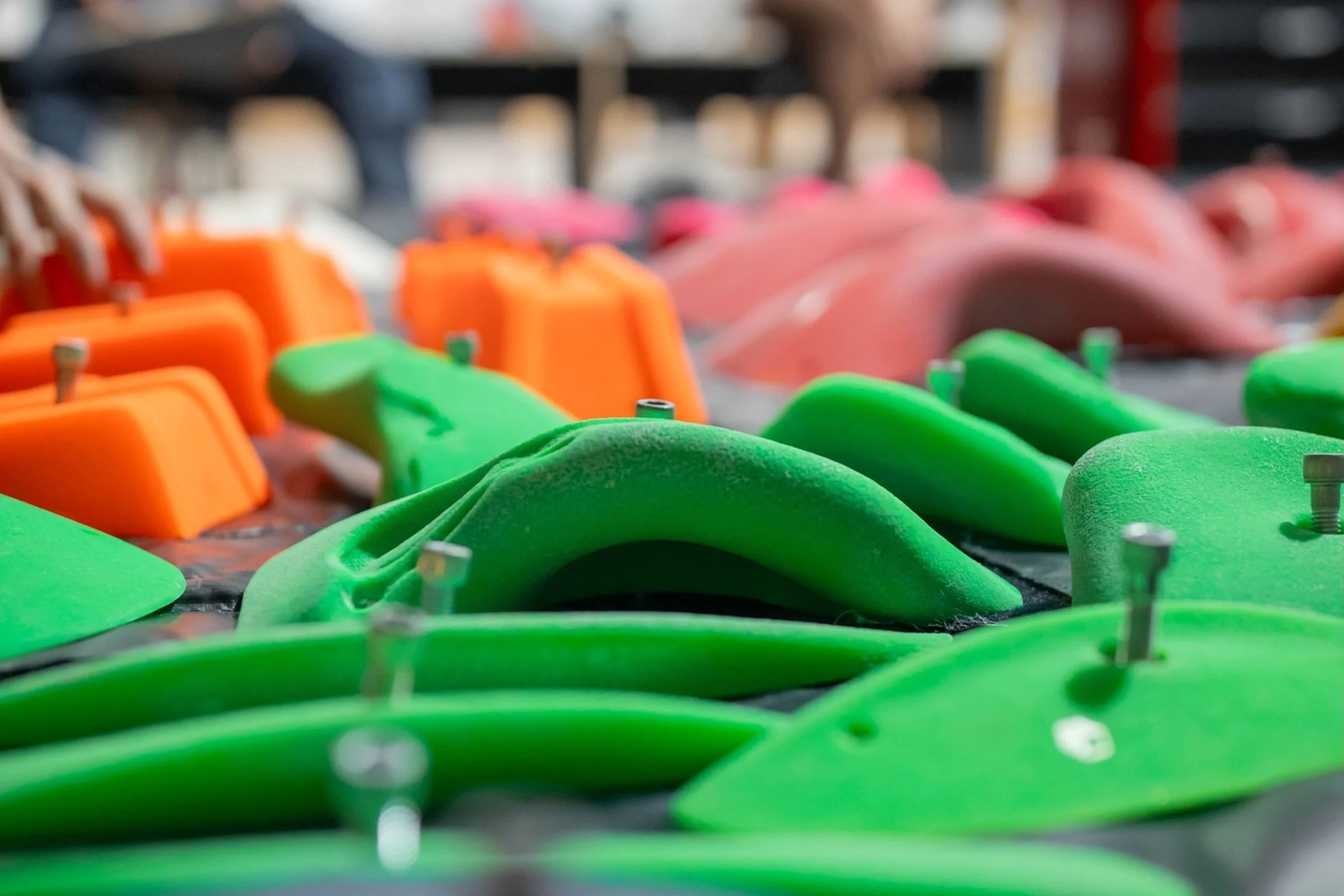
The style of setting you want to be known for should shape your purchasing. Opening a gym without a strategic direction to take your routesetting in is a mistake and understanding what stock is needed to support this is the first objective to your solution. Comp-style influences can be expressed well through macro shapes, extra volumes per sqm and more features offering useful friction climbing options. A gym catering primarily to new climbers benefits from a higher proportion of positive holds that can soften the barrier to entry.
The practical test for whether a hold earns its place is functionality. Shapes that work specifically as feet or hands that are optimised for left or right let setters teach movement but struggle to build on variety or stay relevant across resets. “Gimmicks” that aren’t identified ahead of purchasing can result in dry reset cycles. If too many holds rely on a single trick, or only work in one orientation, climber suffer more confusion and creative options narrowed faster over time. Some seemingly generic holds that work on both steep terrain and slab terrains generate more utility, easing pressure on setters and driving clarity for climbers.
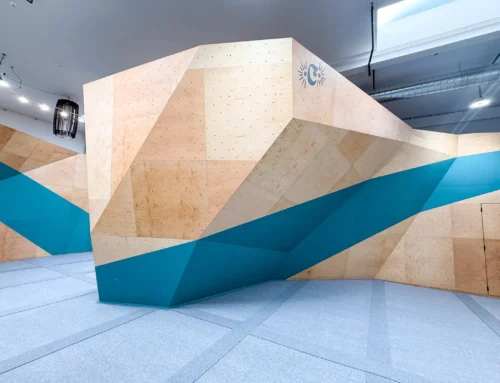
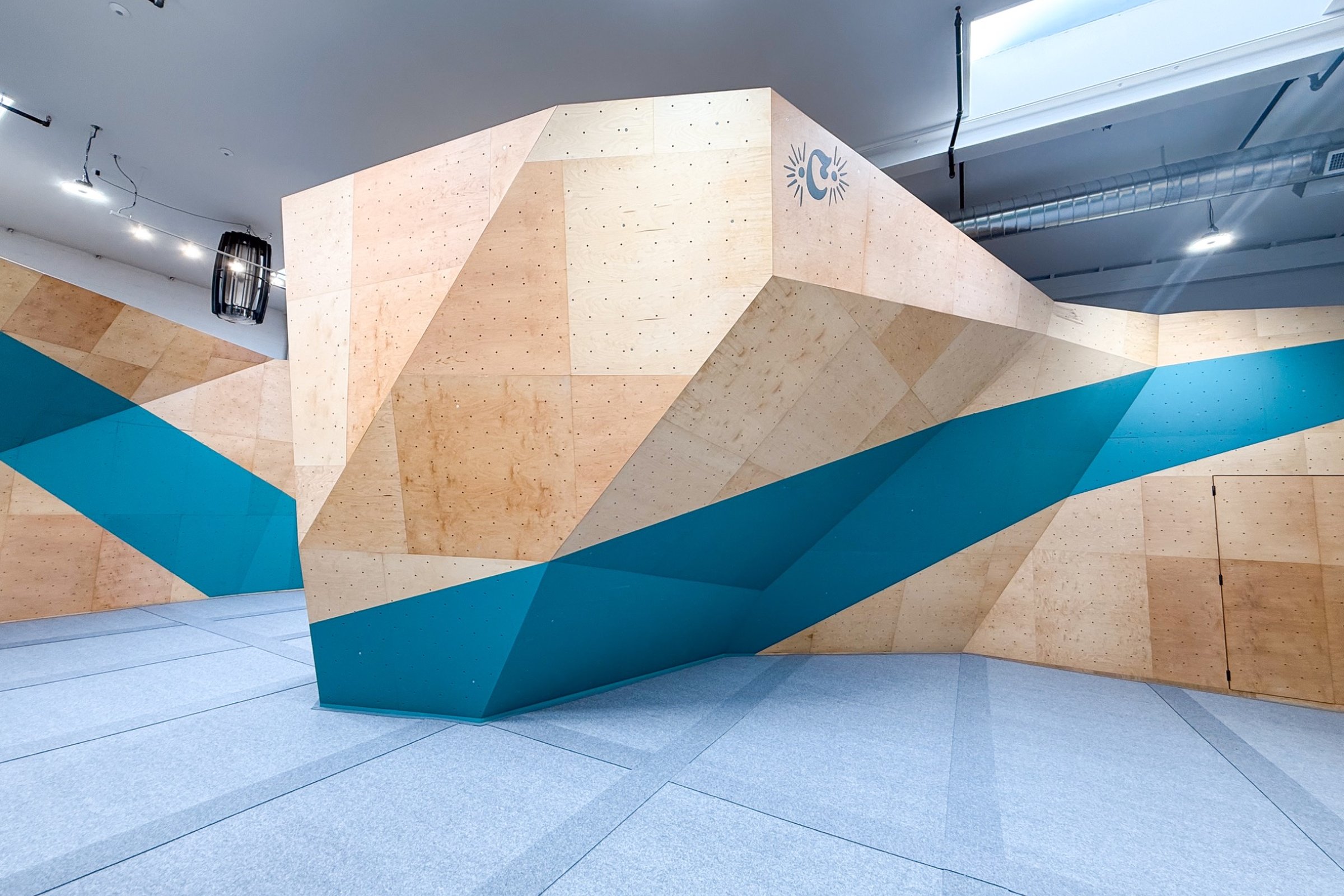
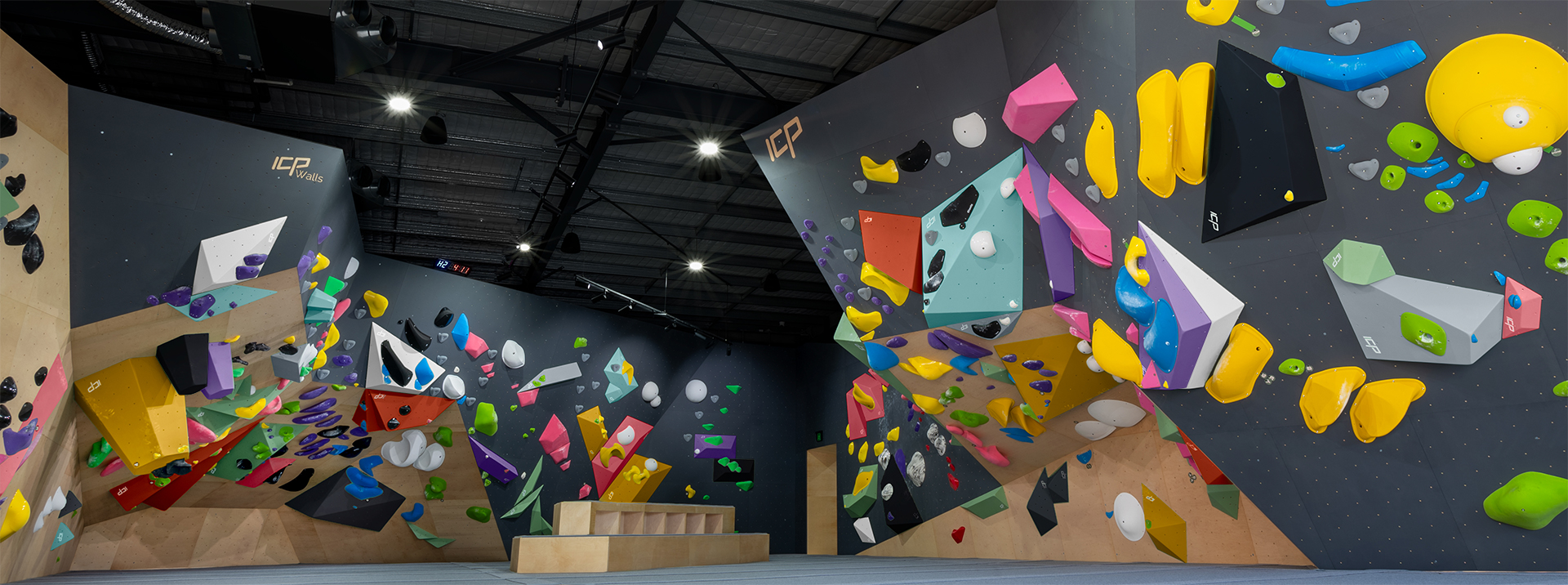
Volumes designed by wall manufacturers to work in unison with their wall designs can boost creativity and efficiency by increasing the usable potential of the entire surface. Gyms that plan volume placement with angle and fall zone considerations may require slightly fewer holds per square metre of climbing surface while maintaining variety. The ICP RAPS System is the best example of an approach that offers all of this.
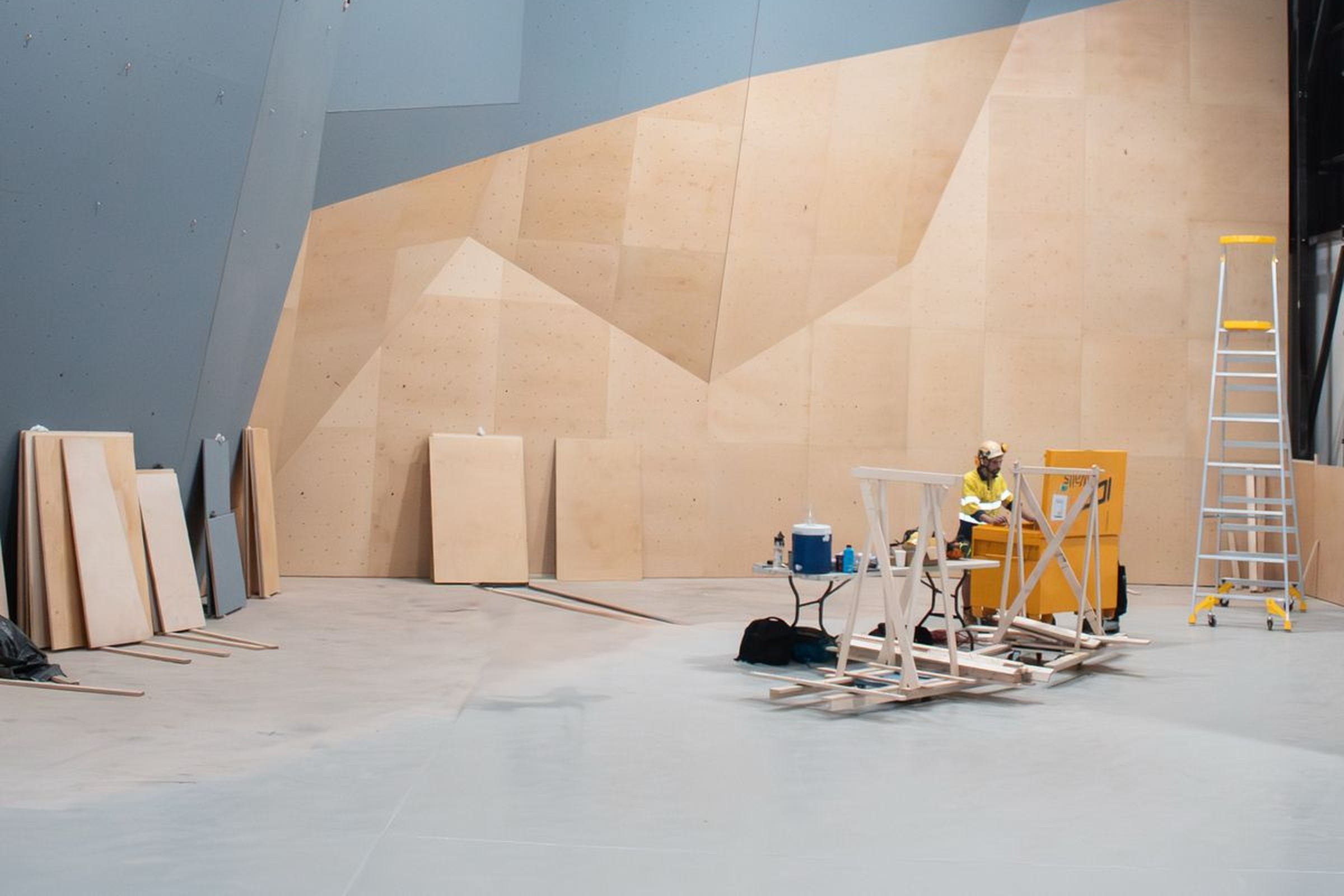
But what is the local competition sporting on their walls? What densities, distributions and quantities do you actually need? What is your routesetting quality like and can you build and stretch the value in your holds further? All of these questions are critical to ask before filling in your order form. Clear communication with providers around realistic lead times, timing deliveries via international supply chains, and detailed spreadsheets help ensure the critical setting window between walls up and doors open is provided for. Too much consultation, however, can easily cause critical delays.
Some aspects of hold selection can also be refined after opening. If you can allocate a small reserve, the first 6–12 months of operation is often the best time to adjust inventory based on the actual member base that forms and the setting rhythms that emerge. Importantly, ordering should be treated as a process rather than a one-off event.
Utility and Longevity Built In
When evaluating holds and volumes for a new gym, it is useful to view selection through the lens of utility as well as affordability. Aim to choose holds based on how they perform across each wall feature, for every grade and style. The readability of holds and the shapes of volumes should be selected in relation to wall geometry and exact colour matching across brands so they contribute meaningfully to movement, aesthetics, and climbing programmes tailored to the facility, whether bouldering, ropes, kids, training, or competition layouts.
We treat climbing walls, volumes and holds as parts of the whole. Selection decisions are informed by wall design, setter workflow, material performance, and long-term operational realities. Across projects, this systems-based approach tends to yield smoother openings, more efficient inventory use, and environments that better support creativity and progression over the life of the facility.
Five key takeaways you should remember when ordering climbing holds for your new indoor climbing walls:
1. Selection quality outweighs variety.
Versatile, functional holds deliver more long-term value than a large but inconsistent catalogue.
2. Choices must reflect your gym’s identity.
Hold choice should align with your target climber, setting style, and programming goals.
3. Design walls, volumes, and holds as one system.
Integrated planning improves surface use, creativity, and operational efficiency.
4. Know your holds.
Who you consult matters, how to learn about holds in this context is not a single conversation.
5. Treat ordering as an ongoing process
Plan for opening, monitor performance, and refine inventory during the first year.