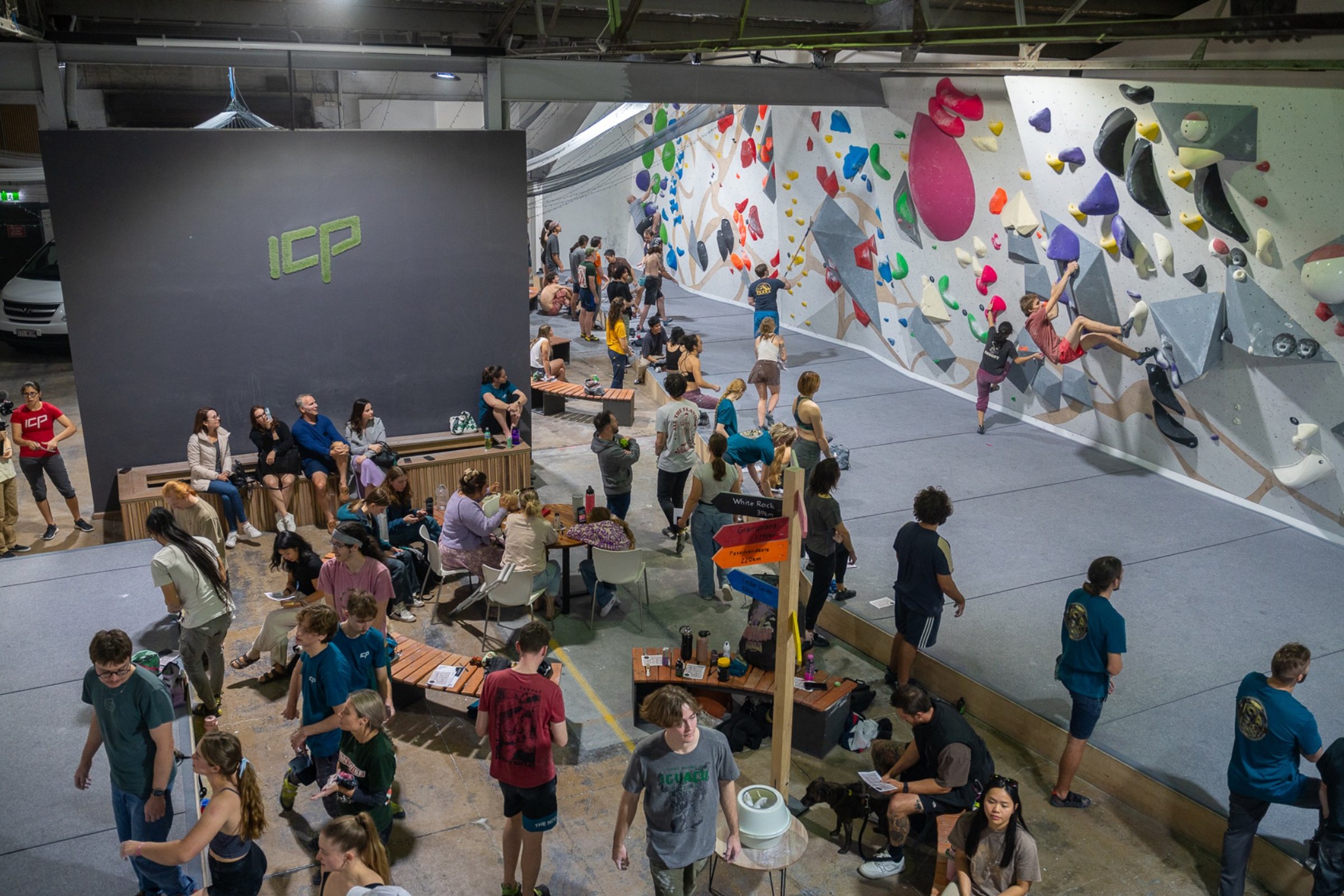
Indoor climbing gyms have changed a lot over the past decade, growing from small local spaces into places that support community, movement, and long-term business endeavours. When people start exploring the idea of a new gym, the walls are often the first thing they think about, but they are only one part of a much bigger picture. Location, layout, operation, and how the space will evolve all play a role in shaping a successful facility. ICP helps owners define outcomes early, before everything is fixed and decided, so projects can move forward with more confidence and flexibility. In this article we share common cost drivers that are often overlooked, and why early design clarity matters.
By understanding climbing facilities as dynamic, growing environments and by considering how costs are experienced over the life of the business, you can design a system that continues to work as intended when usage patterns, staffing demands, and member expectations evolve. When the pieces are placed intentionally you avoid isolating investments and instead build one integrated system that supports setting, operations, and safety from day one.
ICP has a unique viewpoint in the industry as a climbing gym builder because we work closely with businesses at every stage in their journey. From aspiring owners to established entrepreneurs these many collaborations reflect a consistent pattern: the strongest projects commit to design early, then prove it through precise manufacturing and disciplined delivery.
It Starts With Awareness
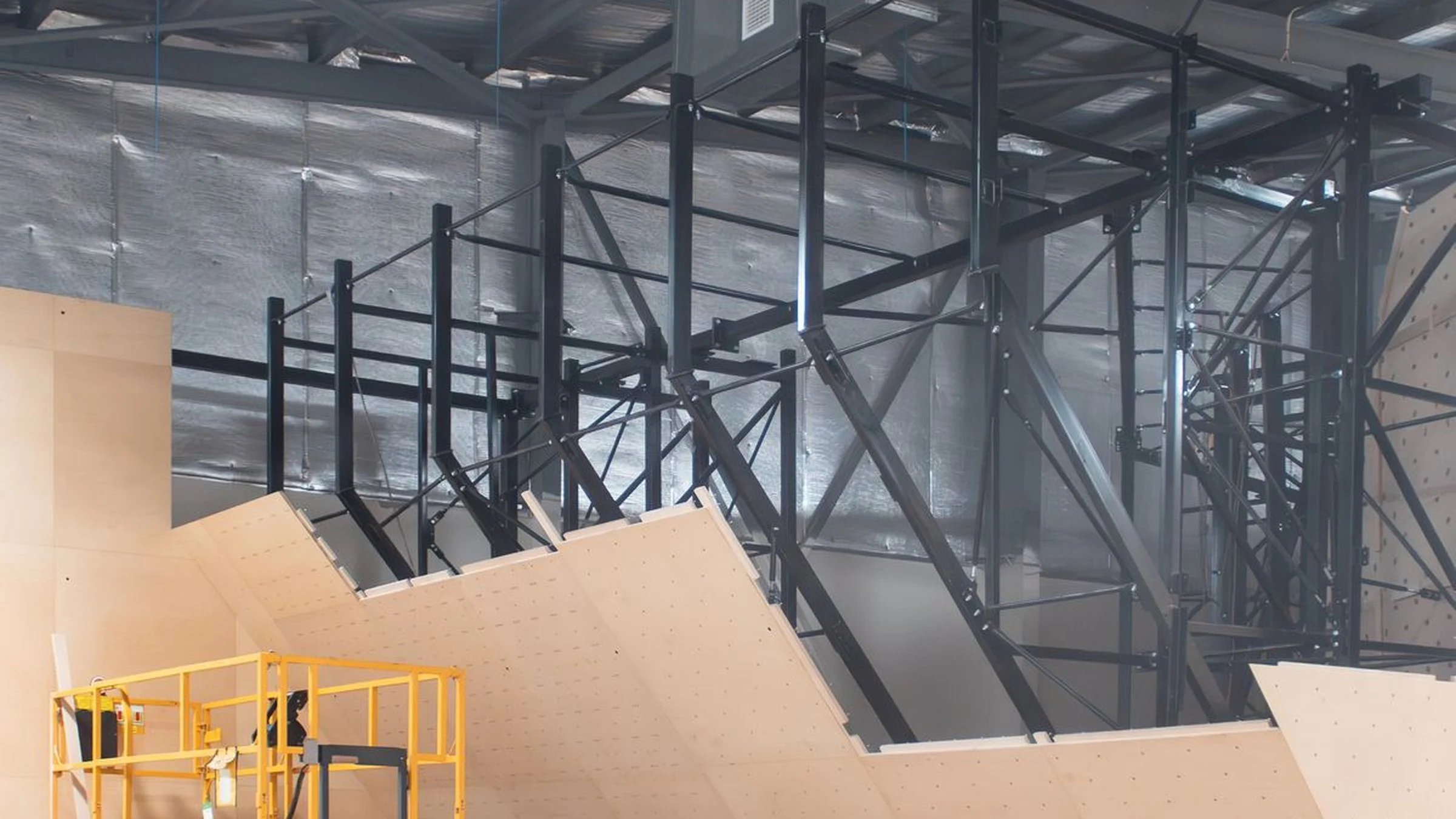
Most cost discussions begin with the exciting part, the climbing walls. Prospective owners are typically encouraged to price wall construction early. using cost per square meter or foot of climbing surface as a benchmark. Production, freight and installation are at the start of a shallow dive into “turn-key” solutions involving matting, holds, setting and sometimes a general fit out. From there, other non-climbing expenses are added incrementally until a budget emerges. Walls may be the most visible element and usually the largest single capital line item making them feel like the logical anchor. The risk is treating that first number as a verdict rather than a reference.
When a climbing gym is planned step by step, rather than together as a whole, important decisions naturally fall later in the process, sometimes after leases are signed or builds are underway. Before that stage, wall design, lighting, energy use, access, storage, and movement through the space can benefit from stepping back and taking a second look. In practice, these elements are closely connected to the wall system and to each other. Considering them early helps create smoother outcomes and fewer compromises later on, without shifting risk. While startup costs across the indoor climbing industry vary widely, clear patterns tend to appear when projects are viewed over time, not just on opening day.
How Much To Spend?
Leasing/rentals may account for 30%–50% of initial startup expenses for many projects. Preferences towards higher ceilings, long spans, and structural capacity (e.g., tilt-slab concrete walls, core-filled besser blocks or steel frames) which can have an influence on the final climbing wall cost. Sometimes leasehold improvements (fire protection, bathrooms, electrical, air-conditioning) and zoning changes (always in the tens of thousands) commonly consume their bit of early capital before climbing and amenities infrastructure is installed.
Finding and securing the right space is among the most critical early decisions. Commercial lease rates in major urban areas can be different from country to country.Then add on security bonds/advance rental payments and other capital restraints.
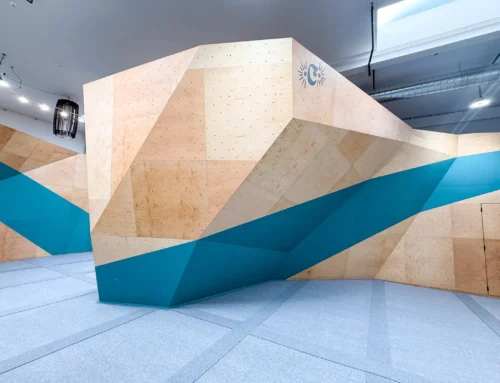
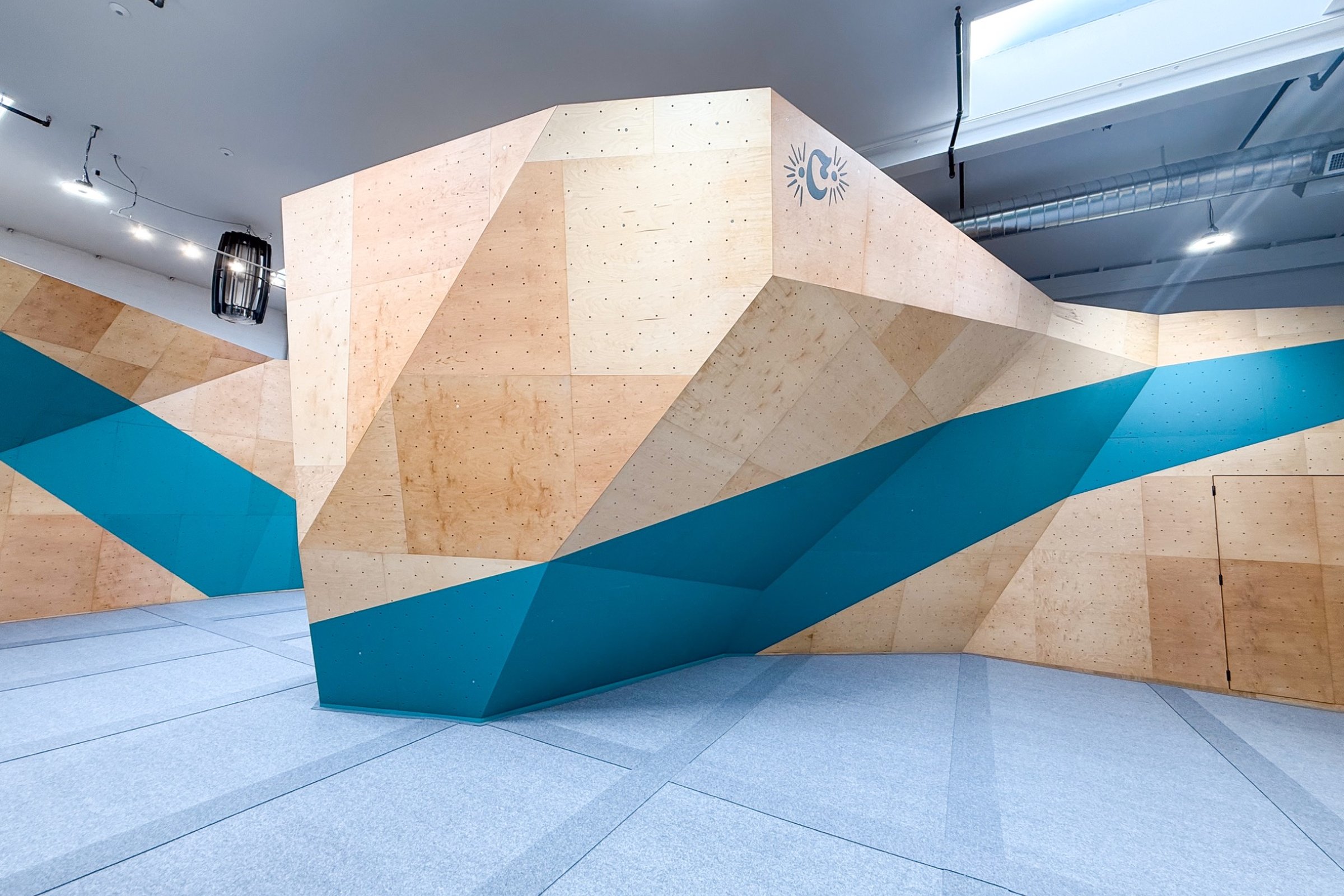
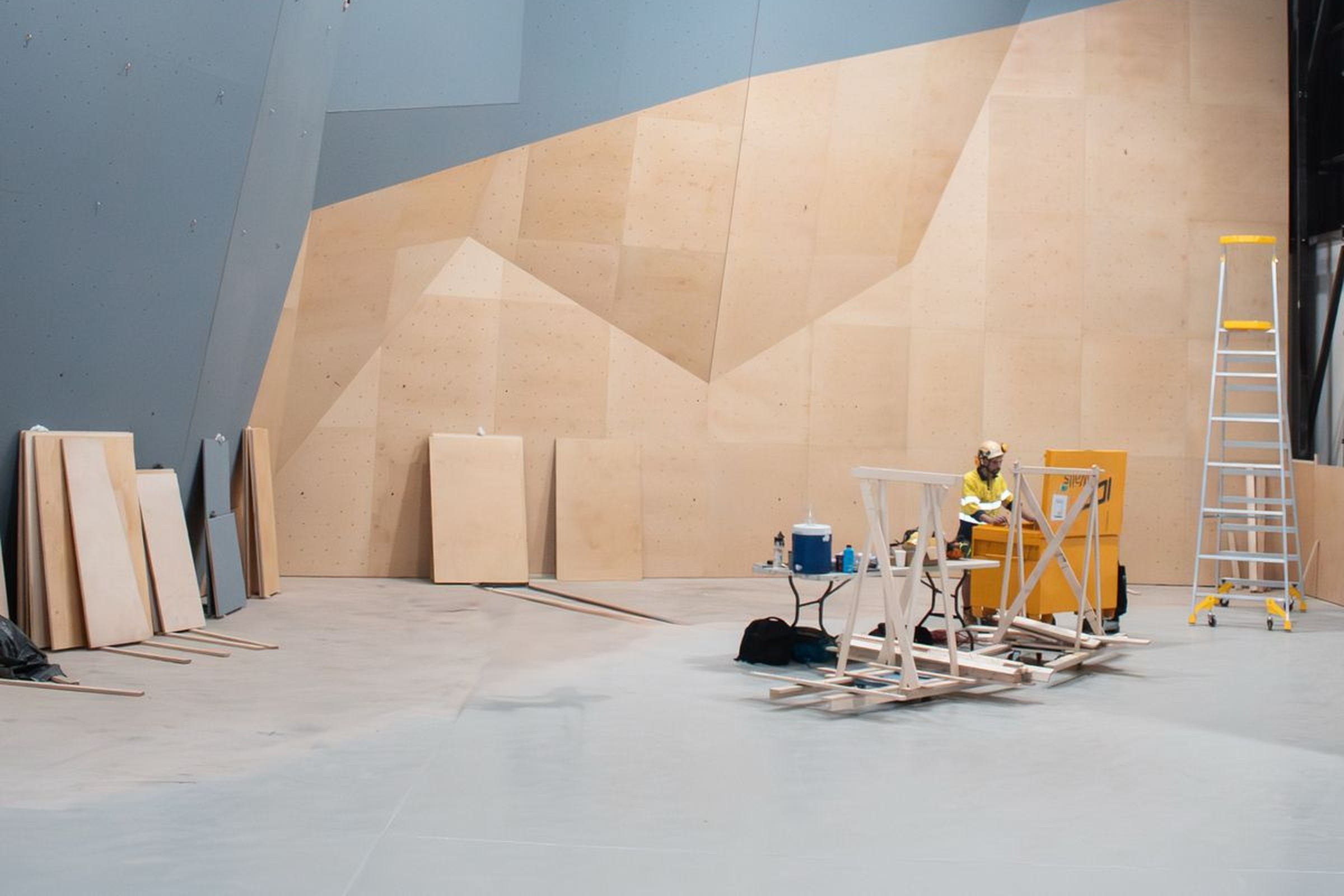
Climbing wall design, engineering, production, freight, and installation starts around USD35,000.00 as a base entry point. Varied wall terrain, refined geometry, and properly integrated “turn-key” solutions are now expected in facilities built to today’s standards. Training areas and integrated boards incur their own costs, but they also create repeat engagement and adaptability over time.
| Region | Average Commercial Lease Rate |
|---|---|
| Australia (AUD) | $90–$600 per m2 |
| North America (USD) | $14-$39 per ft2 |
| Europe (Euro) | €10–€285+ per m2 |
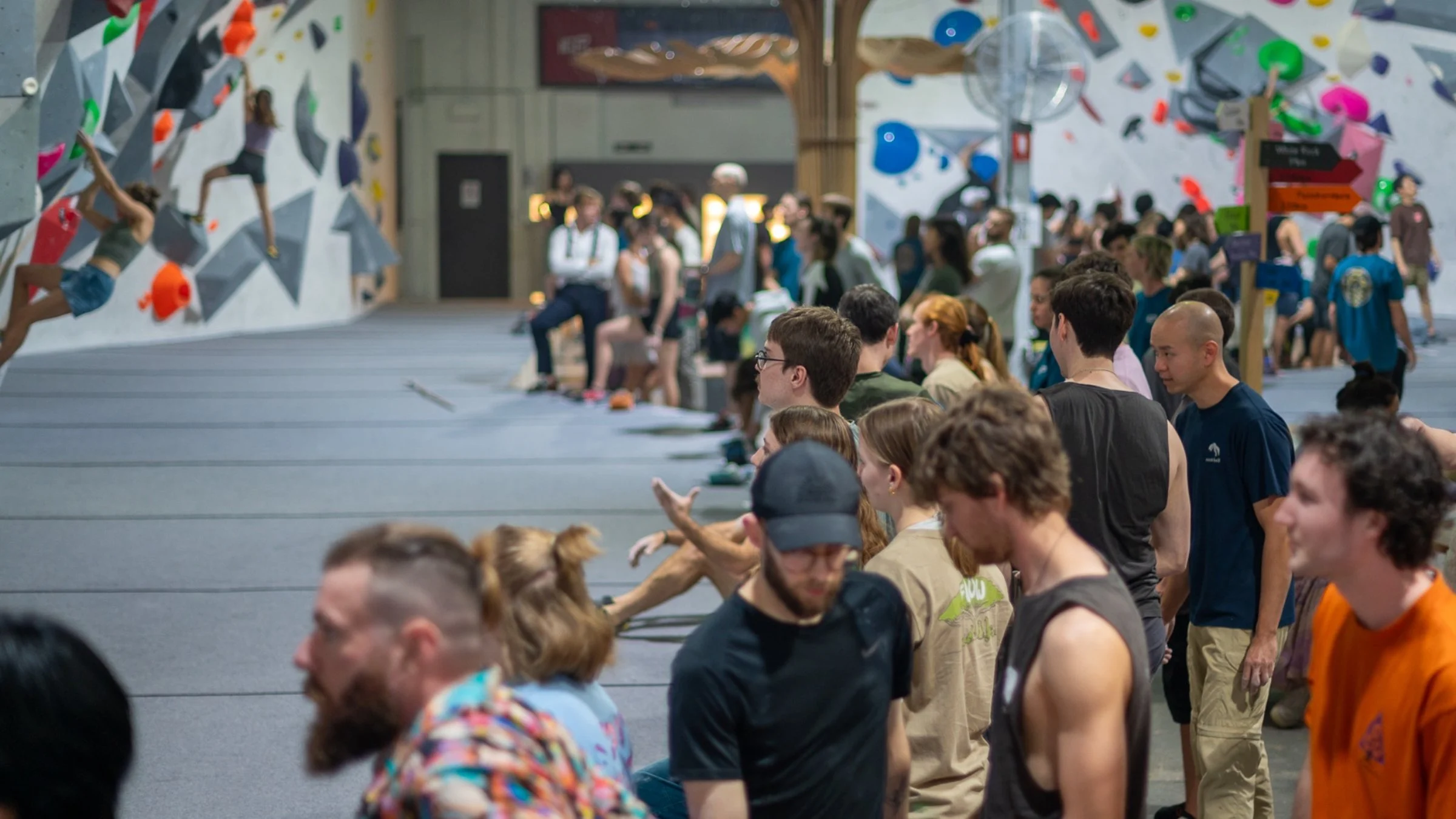
Marketing and hiring staff requires attention before revenue stabilises, as new gyms work to establish awareness in competitive markets. Approaching these areas early improves decision quality and reduces reactive spending.
Working capital is a recurring pressure point. Some facilities require several months to reach a steady cash flow. Insufficient reserves can force operational compromises during the very period when consistency matters most, during the unpredictable early growth stage.
The timing of all these investments matters. Early on when first contact is made with ICP, the design approach to the climbing system is what’s on offer. Pre-site concept design creates clarity before certainty: it defines priorities, tests assumptions, and turns early budgeting into a disciplined plan. Working with us to build clarity, momentum and a buildable pathway also strengthens financing and improves site and approval decisions. The next decision is simple: progress design, or pause with clear reasons.
A Systems Approach to Climbing Walls
When decisions are framed around the lifecycle rather than the opening-day, priorities shift. Flexibility, durability, and adaptability become more valuable than short-term savings. The goal is not to build the least expensive gym possible, but to build one that continues to function as intended as the community, the market and you evolve.
Across ICP projects, we consistently see that facilities designed with a systems perspective experience fewer downstream compromises. They flow with changing use patterns, support creative routesetting environments, and avoid operational friction that can be locked in by early layout decisions.
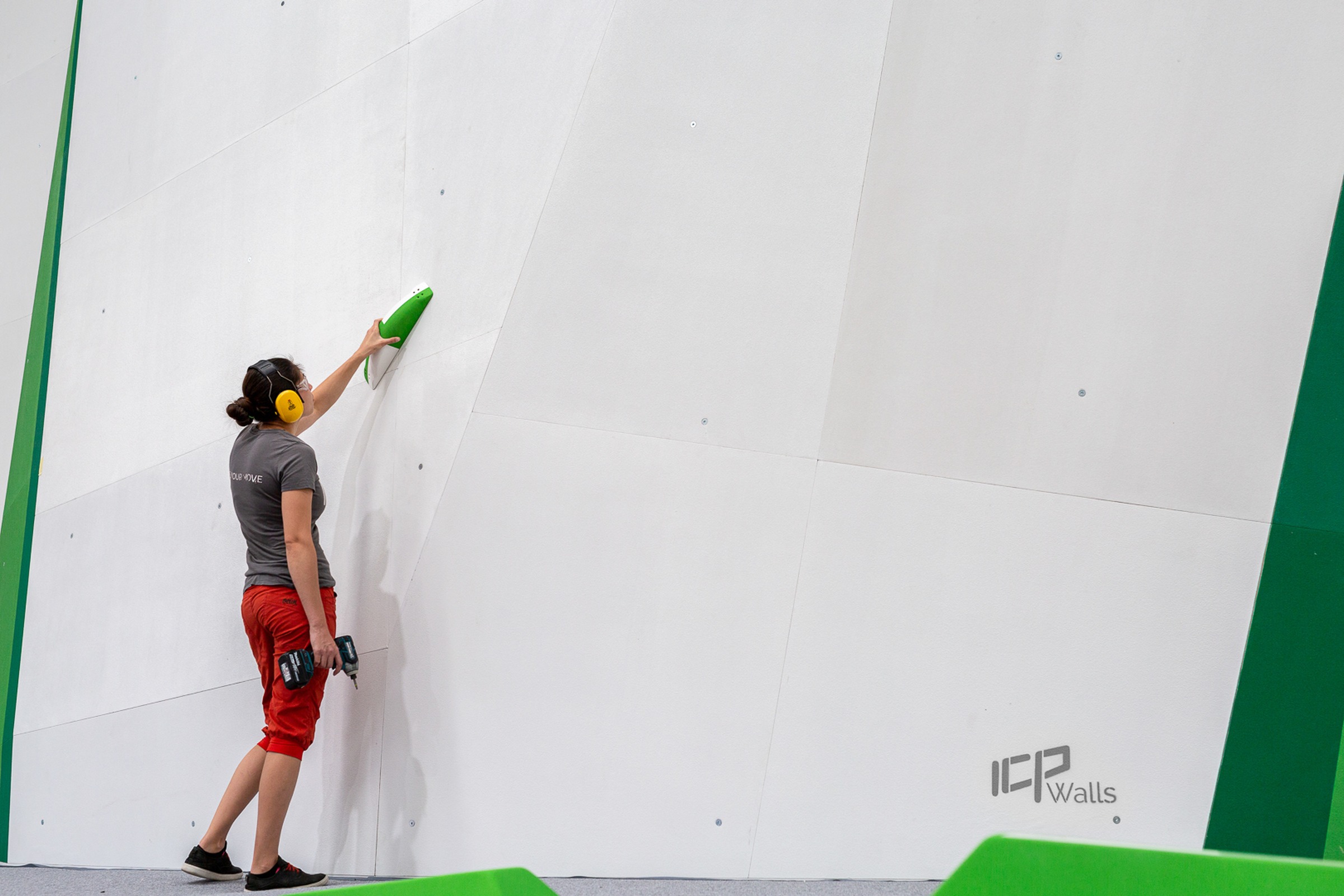
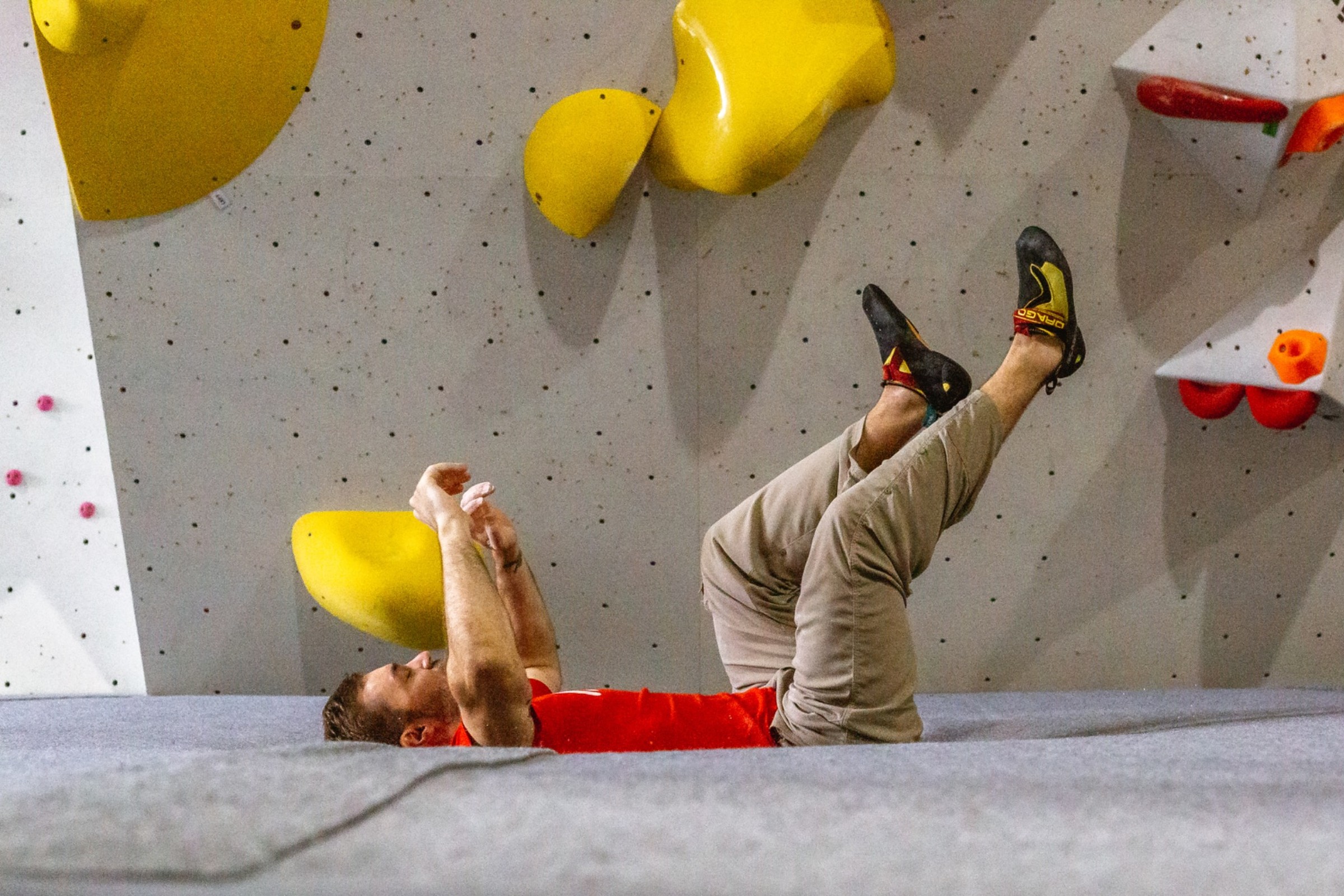
We look at every component of a climbing gym as part of a connected whole. Informed by how routes are set, how climbers fall, and the realities of the existing building. In this context, cost is not only a financial consideration but a reflection of how these decisions work together over time. When key choices are explored early, they open up more flexible and cost-effective options rather than limiting them.